1. Home
  2. Tech pack service
  3. Knitwear

Knitwear tech packs · $299 per style

Knitwear tech pack, ready for your factory.

A knit factory makes the fabric and the shape at once, from yarn. So the spec has to define the cloth, the stitch and the shape together: gauge, yarn count, structure, relaxed measurements and how the panels are joined.

Free quote · Reply within 24h · Flat fee per style · No cut of your production
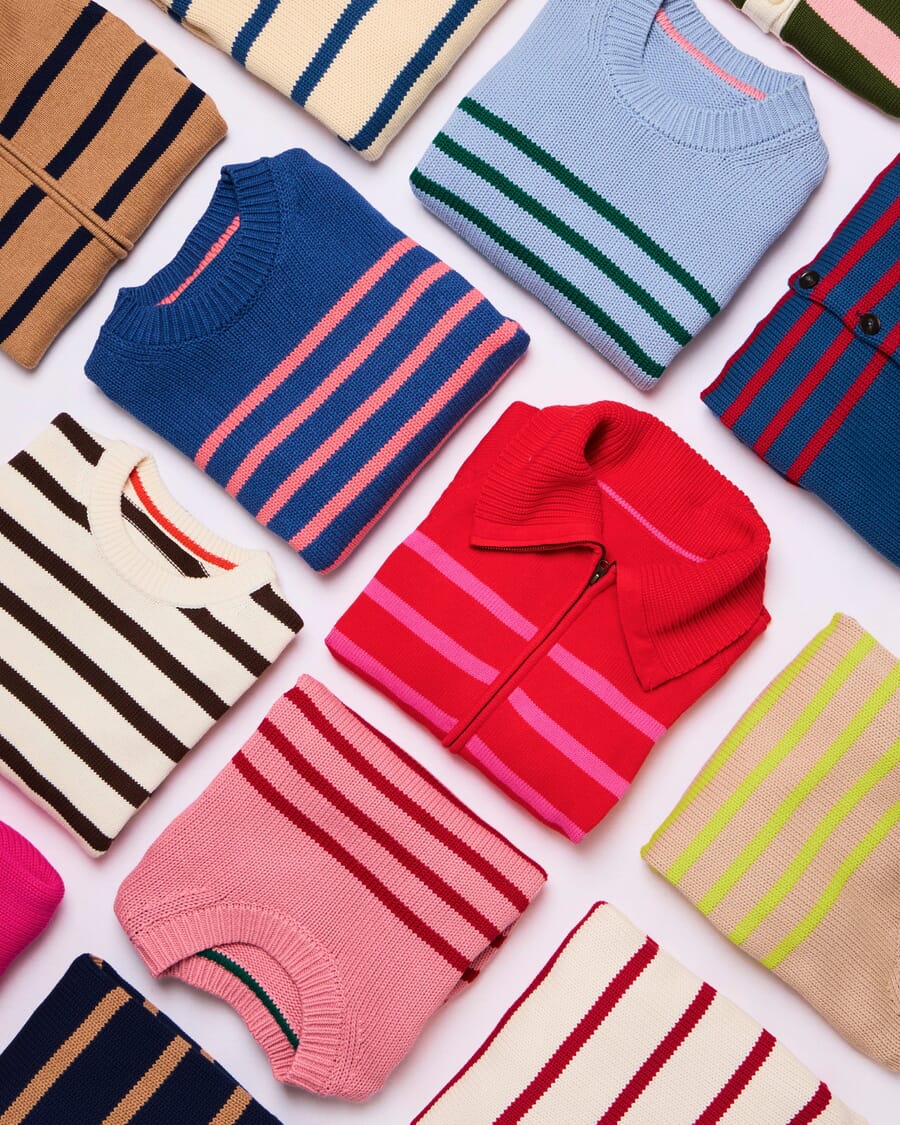
Folded striped knit sweaters in bright colors
Style reference: striped knit sweaters (photo: Pinterest user Audra Stam)
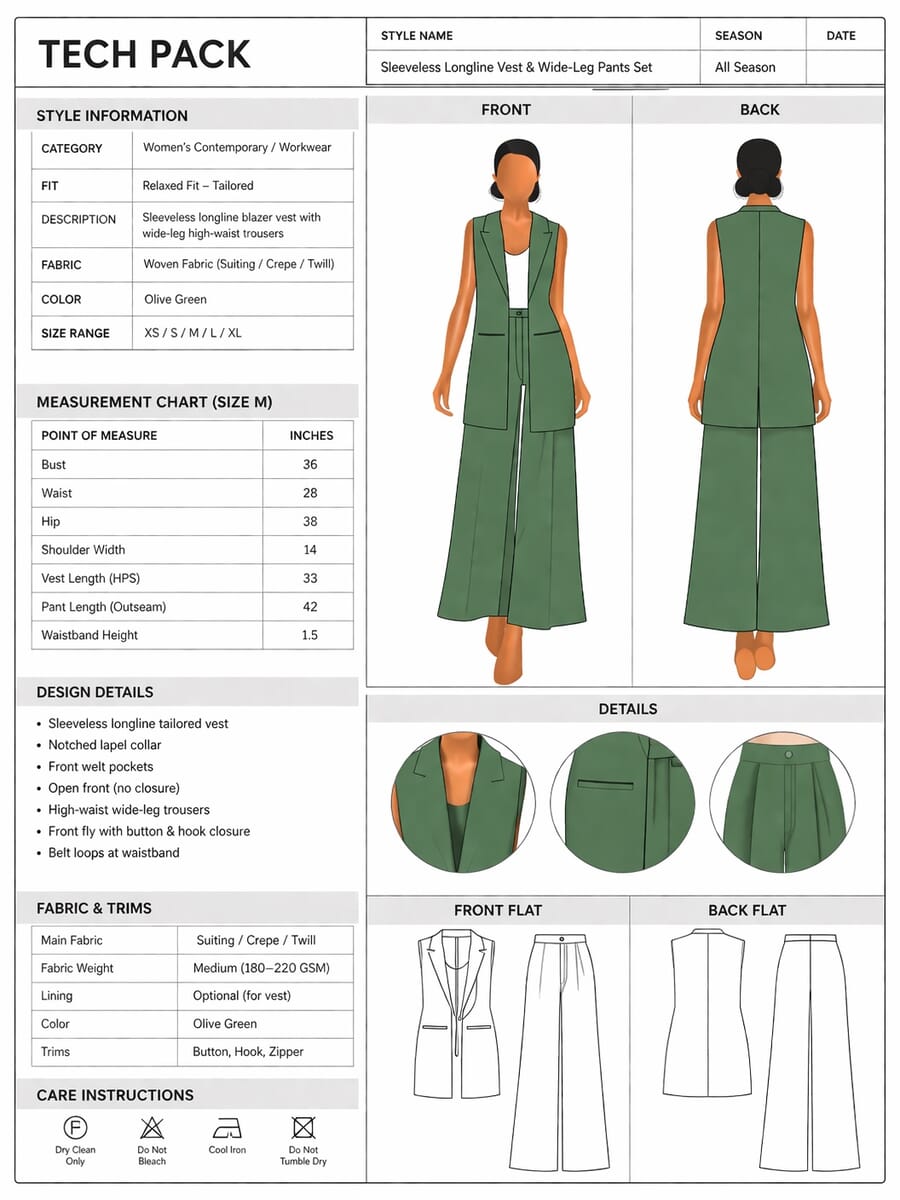
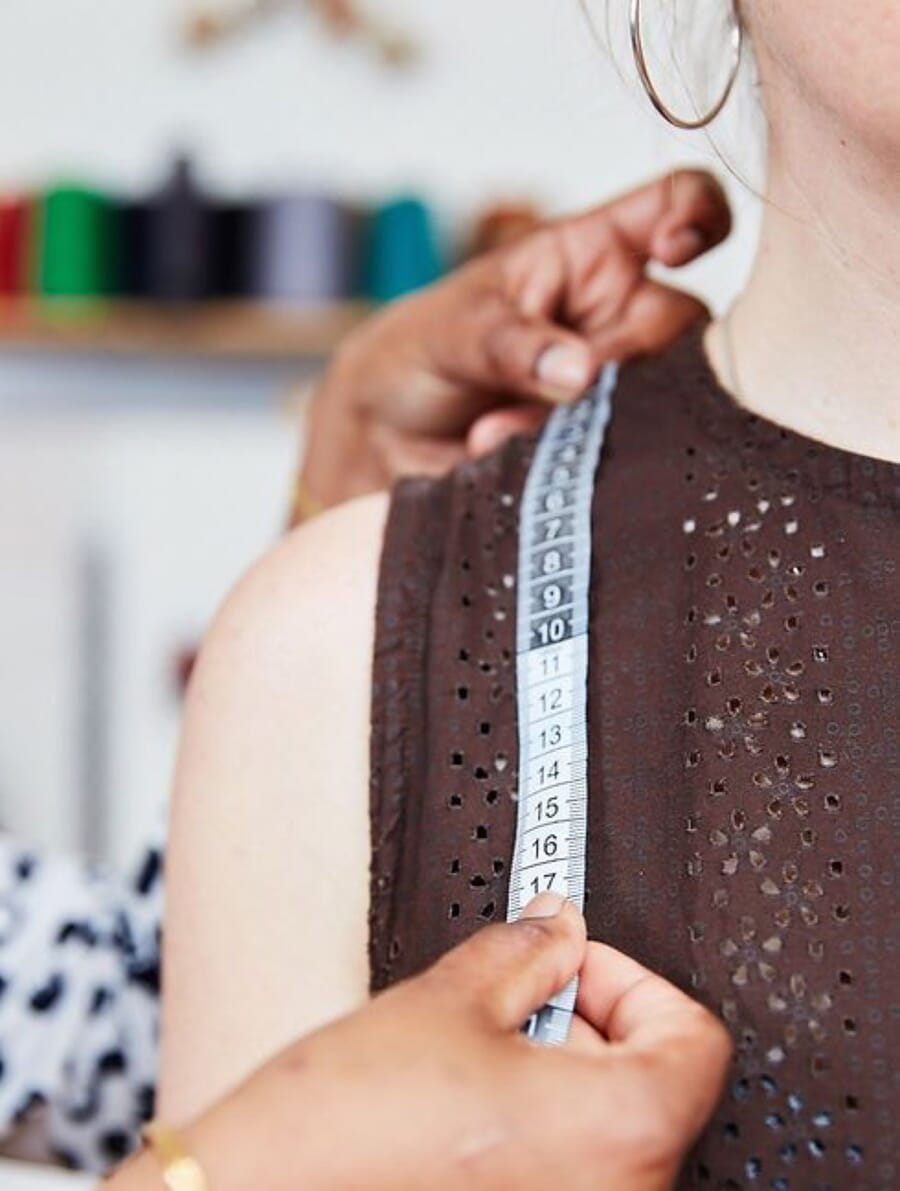
Tech pack cover page with front and back views, measurement chart and fabric detailsHands holding a tape measure at the shoulder seam of a brown knit top

Example tech pack: a tech pack cover page with measurements, by Pinterest user Munique Rodrigues. Studio work: checking the shoulder seam.
Every tech pack

  • $299 per style$249 at 3+
  • 3–5 working days
  • 2–3 revisions included
  • Free quote, reply in 24h
  • Yours outright, no cut

The team behind every pack

Real people draw every tech pack.

Our studio team in the USA drafts every flat, measurement and note, and answers your revision rounds by email. No template generator, no guesswork.

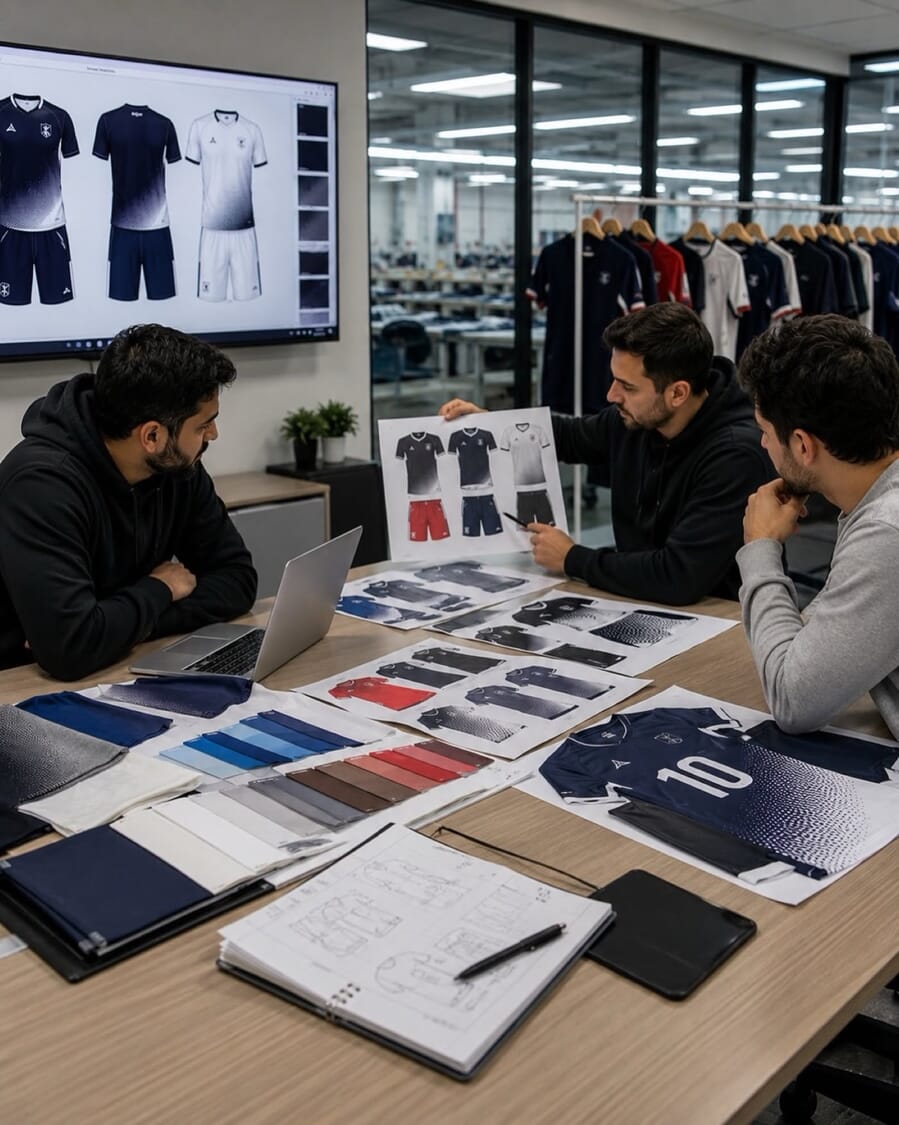
  1. Team at a table reviewing printed sportswear flats and color swatches, with the designs on a screen behind Reading a brief with flats and swatches
    01

    We read your brief

    Sketch, reference photo or sample: someone on our team reads it and replies within 24 hours with the tier, the price and the timeline.

  2. Tech pack page with front, side and back technical flats of a raglan active t-shirt Example page
    02

    We draw the flats

    A technical designer draws every view to proportion, with numbered callouts for each seam, stitch and trim.

  3. Vest tech pack page with front and back flats, a graded measurement table and a bill of materials Example page
    03

    We grade and spec

    Measurements graded across your sizes with a tolerance on every line, plus the bill of materials and construction notes.

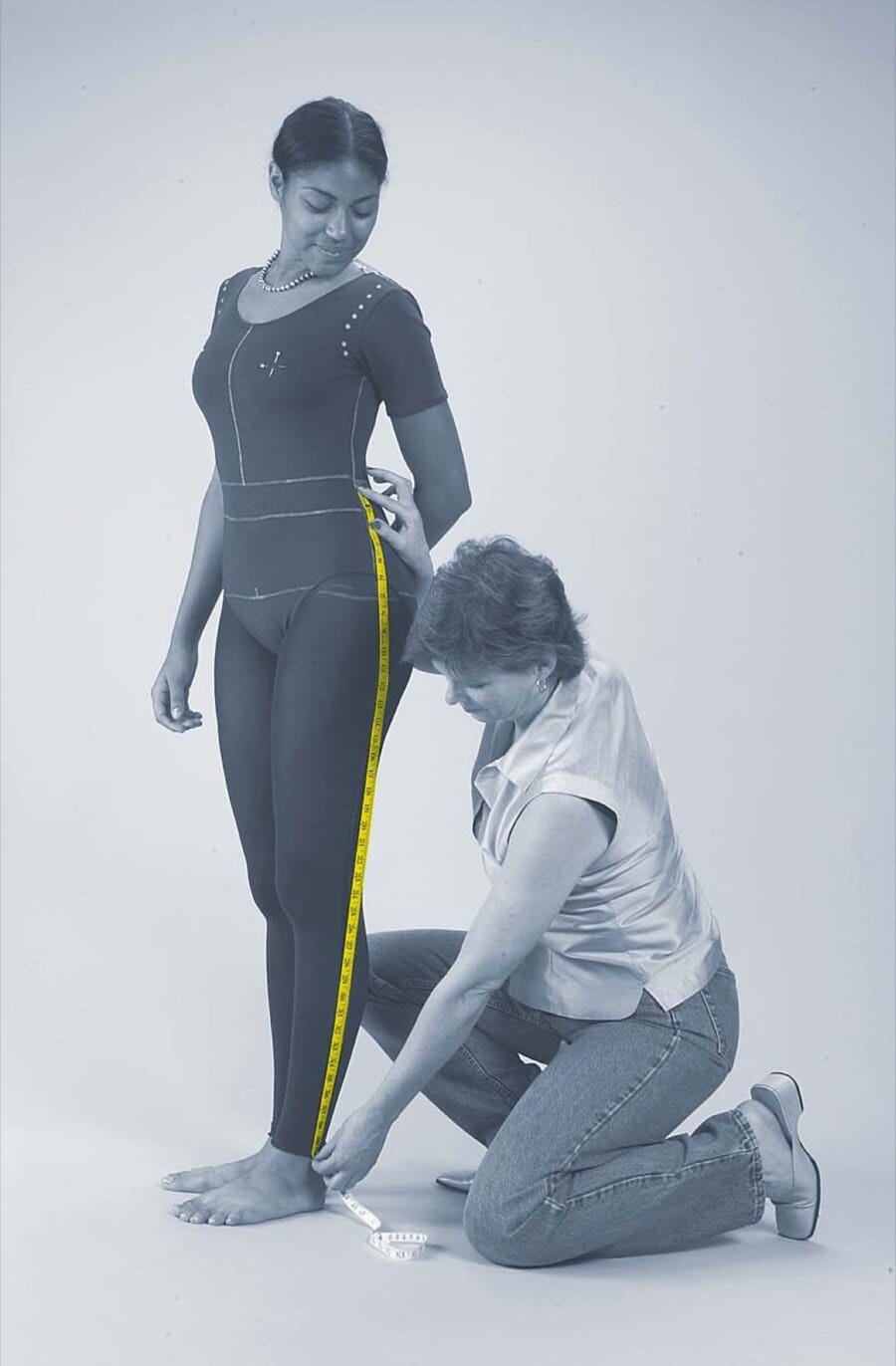
  4. Technical designer kneeling to measure the inseam of a fit model with a tape measure Measuring the inseam on a fit model
    04

    A second person checks every measurement

    Before delivery, someone who did not draw the pack checks every point of measure against the flats. Then 2–3 revision rounds by email.

Example pages are shown with the brand removed. Photos show the kind of studio work behind each step.

Where it goes wrong

Where knitwear fails: gauge and rib.

A cut-and-sew template has a fabric field and stops. Knitwear has no single fabric field, so these are the lines that make or break the sample.

Raglan crewneck · FrontRisk points
12345
  1. Gauge not written as a hard number

    If the machine knits at a slightly looser gauge, the stitch counts stay right and every panel grows. With no target gauge on the sheet, there is nothing to reject against.

    In the spec target gauge (gg) at the top of the spec, stitches and rows per 10 cm, knitted swatch before panels.

  2. Measured stretched, or before blocking

    Stretch a rib and you add centimeters that vanish when you let go. Measure an unblocked panel and someone re-cuts against a number that was never the target.

    In the spec points of measure recorded relaxed and after blocking, with knit-scale tolerances.

  3. Seams joined the cheap way

    Fully-fashioned panels are linked; cut-and-sew knit is overlocked. They finish and wear differently, and the price differs too.

    In the spec fully-fashioned or cut-and-sew, linking or overlock per seam, fashion marks.

  4. Neck rib at the wrong depth

    Crew, mock and turtle necks are different rib heights, folded or not. A mismatched neck rib is a classic knitwear inspection fail.

    In the spec neck style, rib type (1x1 or 2x2), relaxed depth, folded or single.

  5. Slack cuffs and hems

    Cuffs and hems grip the body, so they knit firmer than the panel above. Leave the rib open and a slack cuff reads as a defect.

    In the spec rib type, relaxed depth and tolerance at cuff and hem, recovery check.

Numbers match the balloons on the drawing. Source: our sweater and knitwear tech pack guide.

Points of measure

Six points, measured relaxed.

Knit fabric moves, so the numbers are taken flat and unstretched, after blocking. Tolerances run wider than on a woven, tightest on the rib.

Raglan crewneck · POM A to FExample values
ABCDEF
Points of measure, cm · Example values, not a client order
POMDescriptionSMLTol ±
1/2 chest, 2.5 cm below armhole, relaxed49.552.054.52.0
Body length, HPS to hem64.566.067.51.5
Sleeve length, CB to cuff80.582.083.51.5
Cuff width, relaxed7.58.08.50.5
Collar rib depth3.03.03.00.3
Hem rib depth5.05.05.00.5
All figures relaxed and blocked. The factory builds each size from a stitch count; we give the grade per point and the factory translates it into stitches.
  • Target garment weight in grams with a tolerance catches a dropped gauge or a thinner yarn in bulk.
  • Relaxed figures are the pass criteria; recovery on cuff and hem is checked after stretching.
  • After-wash dimensions or a maximum shrinkage percentage go on the sheet with the care method.

In the pack

What your knitwear pack actually contains.

The same skeleton any factory expects, with yarn, gauge and stitch data inside each section.

01 Flats and views

Front and back drawn to proportion, stitch structure and rib zones marked.

  • Front and back flats with raglan or set-in seams
  • Neckline, cuff and hem rib zones
  • Stripe, intarsia or jacquard placement
  • Fashion marks where panels are knitted to shape

02 Knit structure

How the cloth and the shape are made, before anything is joined.

  • Target gauge, stitches and rows per 10 cm
  • Stitch structure per zone: jersey, rib, cable
  • Fully-fashioned or cut-and-sew
  • Linking or overlock, seam by seam
  • Blocking note: figures are relaxed and blocked

03 Yarn and trims

The yarn replaces the fabric line, so it gets the detail.

  • Yarn count and ply (Nm), fiber composition
  • Yarn shade codes per colorway
  • Anti-pill finish if you need it
  • Garment weight in grams with tolerance
  • Care method and label spec

04 Bill of materials

One line per material, with the knit data a woven template has no field for.

ComponentWhat we stateExample entry
Body yarnCount and ply, composition, shade2/28 Nm, 100% merino, shade per colorway
GaugeNeedles per inch, stitches and rows per 10 cm12gg
RibStructure, relaxed depth per zone1x1 rib: neck 3.0 cm, cuff 8.0 cm, hem 5.0 cm
Garment weightGrams at base size, tolerance420 g ±20 g
LabelsMain, care, composition, positionWoven main label at CB neck
PackingFold and bagFolded, one per polybag

Example entries show the format. Your fabric, trims and suppliers go in the real pack.

Colorways page of an oversize hoodie: four color options, front and back, each with main fabric, second fabric and stitching swatchesExample page, brand removed
Example page: four colorways of a hoodie with fabric and stitching references
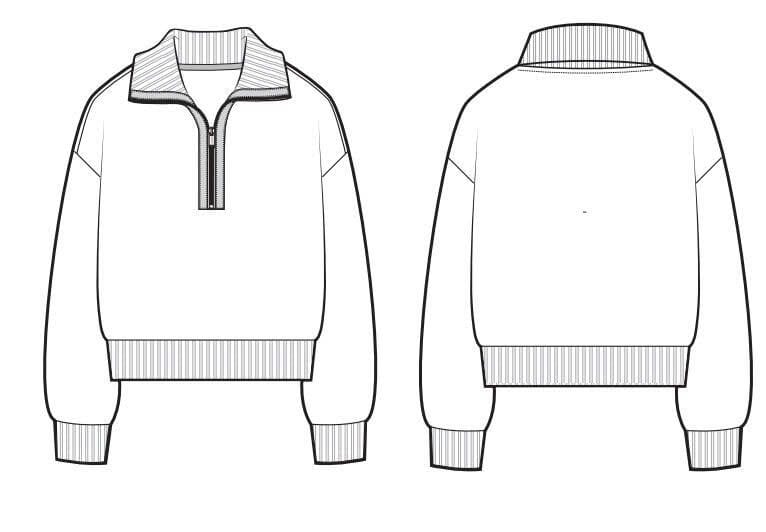
Front and back flats of a half-zip knit sweater with rib collar, cuffs and hemIndustry example
Tech pack page by Trung Vu (industry example, not our work)

Every tier includes all of this, delivered as one PDF that is yours to send to any factory.

Pricing

One flat fee per style, stated before we start.

No hourly billing and no cut of your production. Send the brief, we confirm the tier and the price by email before any work starts.

In every tier

  • Annotated technical flats for every view
  • Graded points of measure with tolerances
  • Bill of materials and construction notes
  • 2–3 revision rounds, one PDF that is yours
  • Single style Most common

    $299per style

    One garment, fully specced from your sample or a clear reference.

    • 3–5 working days
    • 2–3 revision rounds included
    Order single style · $299
  • Collection, 3+ styles

    $249per style, 3+

    Three or more styles specced together, with the same construction language and grading held across the set.

    • Timeline confirmed with the quote
    • 2–3 revision rounds included
    Order a collection · $249/style
  • From concept

    $499per style

    No sample yet. We develop the construction from your sketch, reference photo or idea, then spec it.

    • 3–5 working days once the design is settled
    • 2–3 revision rounds included
    Order from concept · $499

Add-ons, only if you need them

  • Rush turnaroundYour style moves to the front of the queue+$120
  • Extra colorwayA second colorway on the same style+$35
  • Extra revision roundAfter the 2–3 included rounds+$70
  • Handoff callA walkthrough with your factory or team+$89
Get a quote for your tech pack

Free quote · Reply within 24h · Not sure which tier? We tell you.

Free guides

Read the full knitwear guide first.

Gauge, yarn count, knit structure, necklines, relaxed measurements, weight and pilling, point by point. Use it with the free template, or send the brief and we do it.

Inside the studio

Sampled, fitted, measured by hand.

Your pack is drawn by a technical designer on our studio team in the USA and every measurement is checked by a second person before delivery. The photos show that kind of work.

  • Three designers at a table covered with fabric samples and laptops
    Fabric review
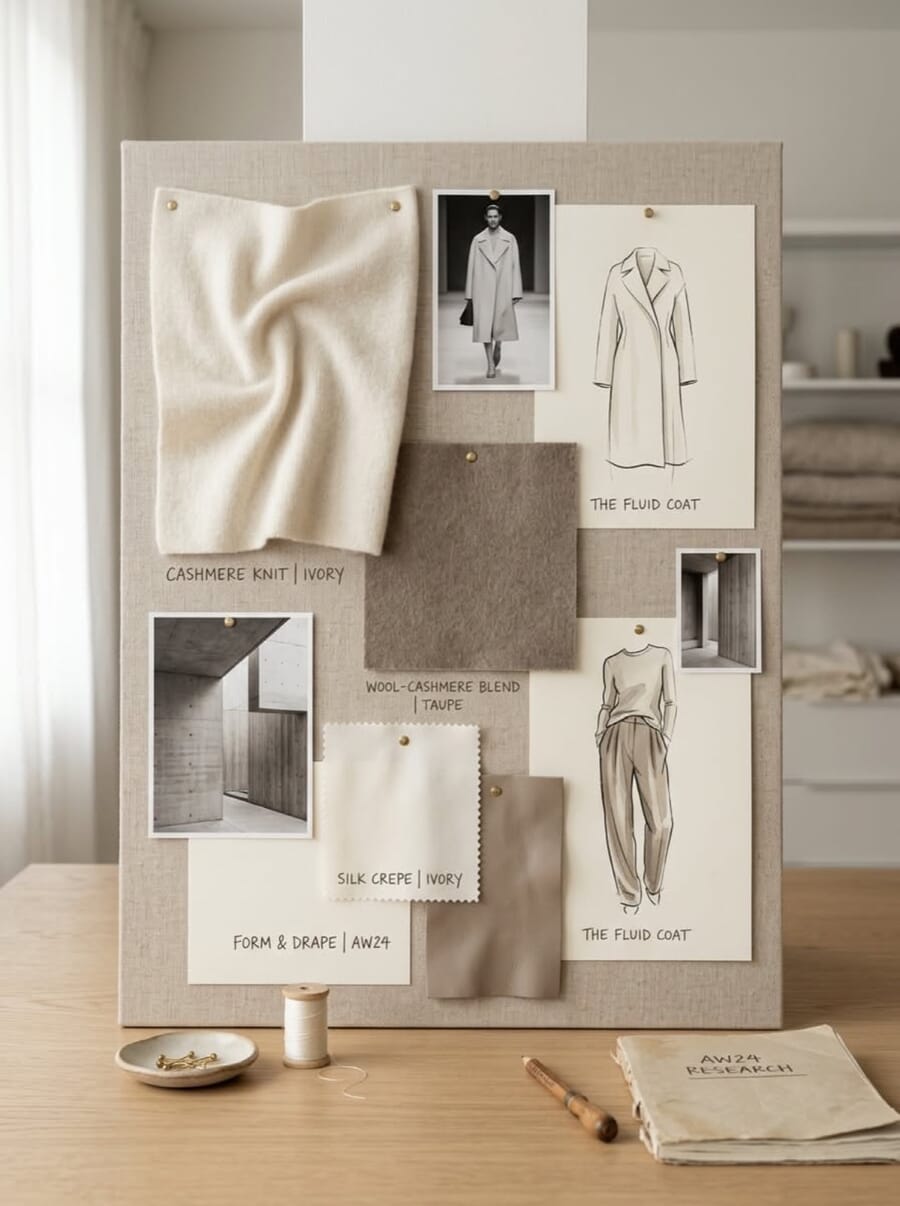
  • Fabric swatches and fashion sketches pinned on a board standing on a desk
    Swatch and sketch board
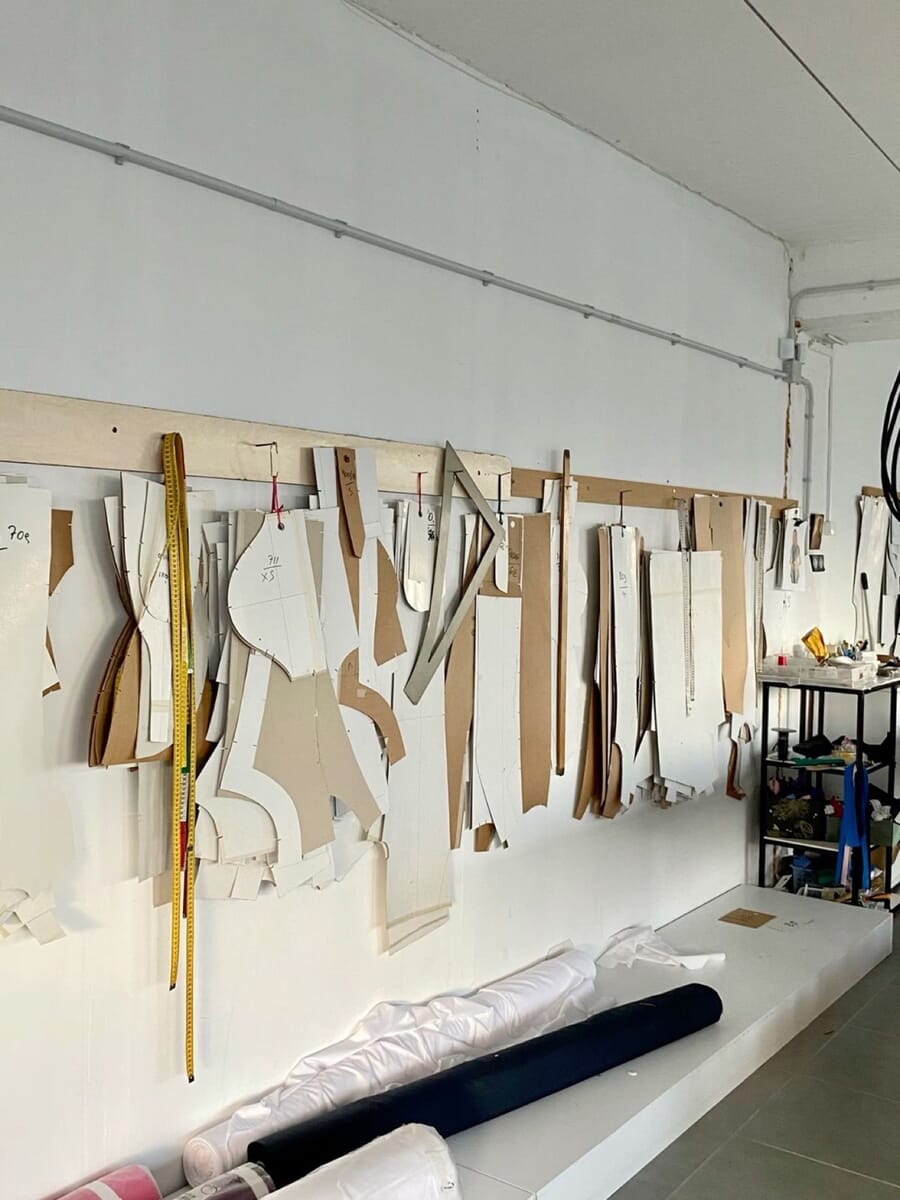
  • Paper pattern pieces hanging along a studio wall above a long cutting table
    Patterns above the cutting table
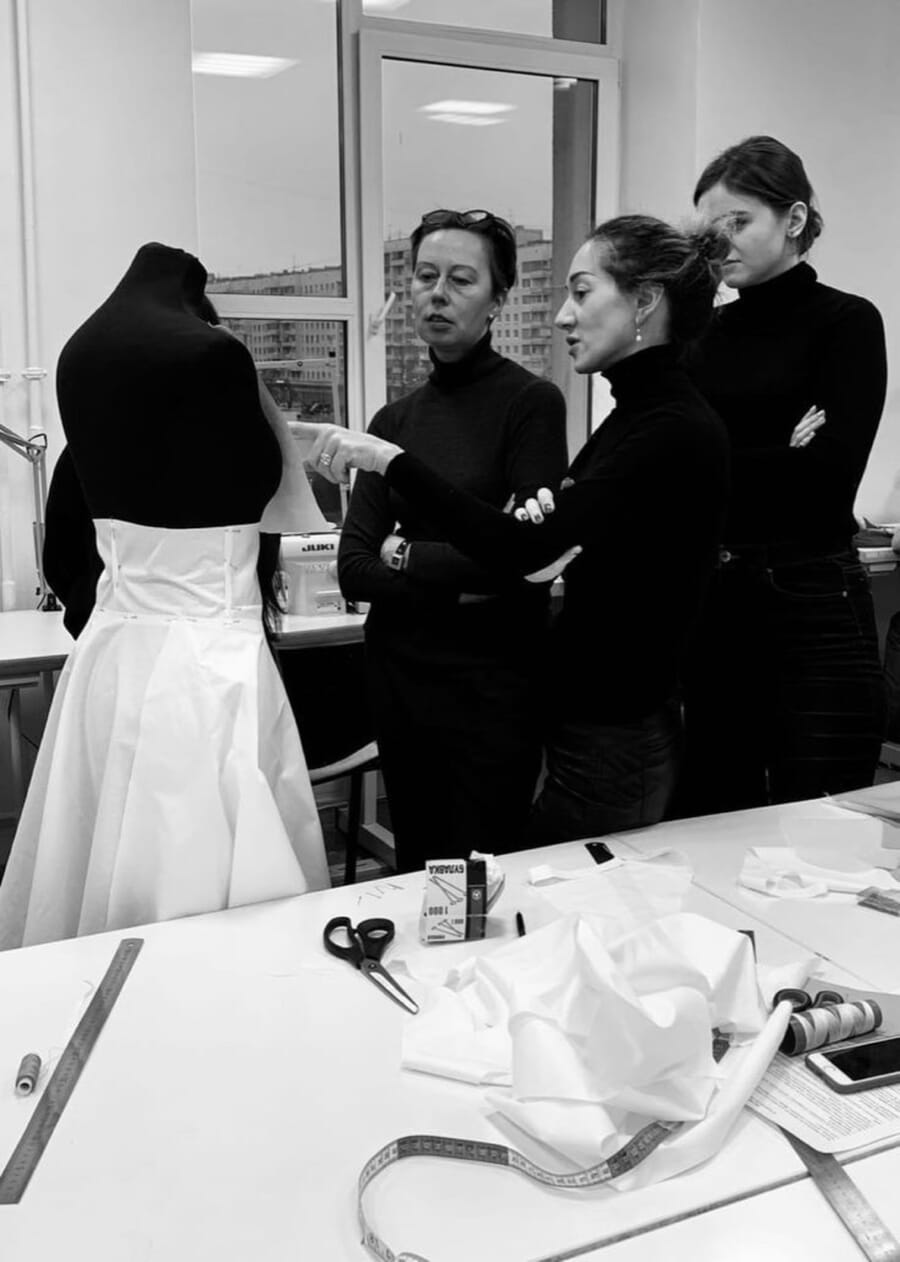
  • Black and white photo of a team gathered around a white dress on a dress form
    A fitting on the form
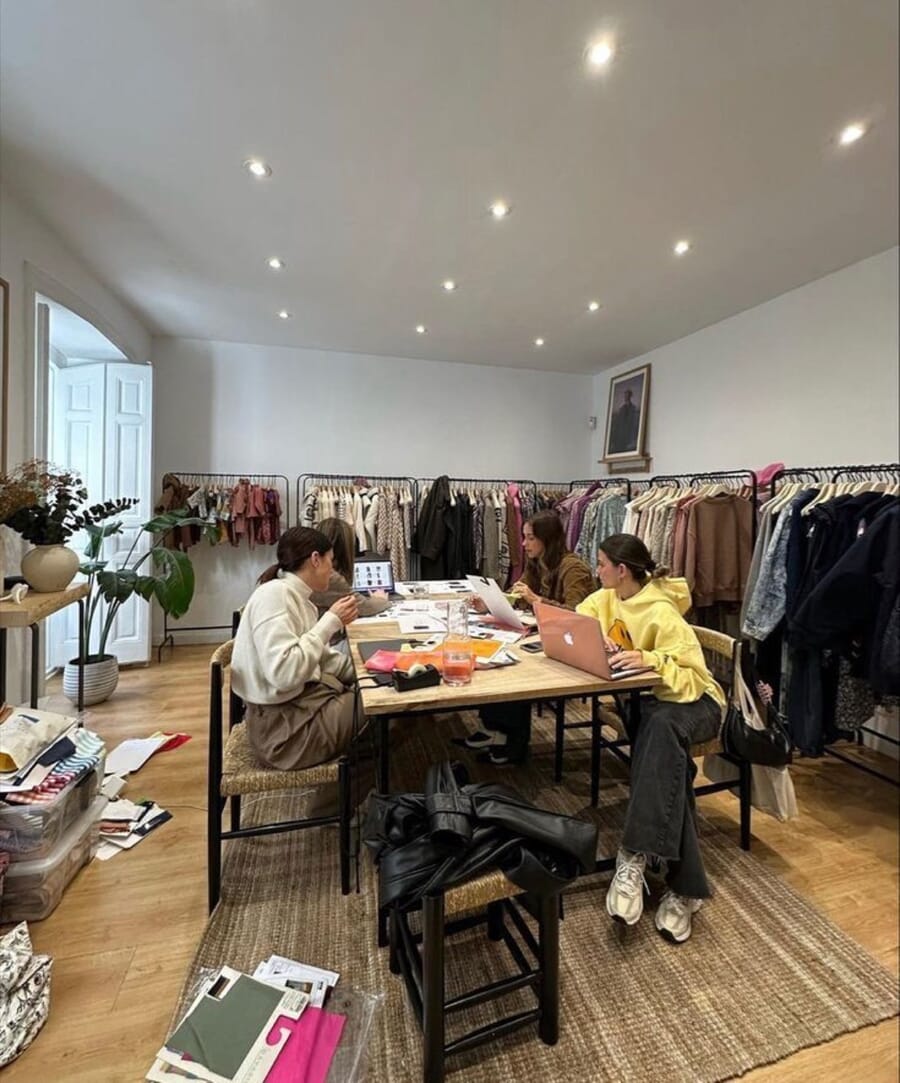
  • Bright studio with a long work table and rails of clothing along the walls
    Sample rails and work table

Free quote · Reply within 24 hours · Flat fee per style · Studio team in the USA

Questions

Knitwear questions, answered.

What a sweater spec needs, and what we deliver for it.

Not on the list?

Ask us with your brief.

We reply within 24 hours. Or email garmentspec@gmail.com.

Get a quote for your tech pack

$299 per style, or $249 per style when you order 3 or more. From a sketch or an idea, development from concept is $499 per style. 3–5 working days per style, with 2–3 revision rounds included.

Because the factory makes the fabric, not just the garment. A knitwear spec keeps the same skeleton but adds gauge, yarn count and stitch structure, the fields a woven or jersey template does not have.

Gauge is the count of stitches and rows in a fixed area, usually per 10 cm. Change it and every panel resizes, even with the same stitch counts, so we write the target as a hard number above the measurement table.

Relaxed, with the garment flat and unstretched, after blocking. Knit tolerances run wider than woven ones, and tightest on the collar, cuff and hem rib.

Fully-fashioned panels are knitted to shape and linked; cut-and-sew knit is cut from knitted yardage and overlocked. The spec states which your style uses, because it changes the finish and the cost.

Your brief · step 1 of 5Takes about 2 minutes

What are we speccing?

Knitwear is pre-selected. Add any other garments, the number of styles and what you have today. We reply with a fixed quote within 24 hours.

Garments

How many styles

What you have today

Continue my brief

Free quote · Reply within 24h · Or email garmentspec@gmail.com