1. Home
  2. Size chart generator

Free tool · Grading

Size chart generator with grading built in.

Enter your base size measurements, choose the size run and the grade per size, and get a graded size chart with tolerances in inches or centimetres. Copy it, download a CSV or print it.

  • XS–3XL
  • Inches or cm
  • Tolerances included

Free tool · No sign-up · Nothing leaves your browser

Vest tech pack page with front and back flats, a graded measurement table in inches, a bill of materials and color references
Example page: graded measurements and bill of materials
Example page, brand removed
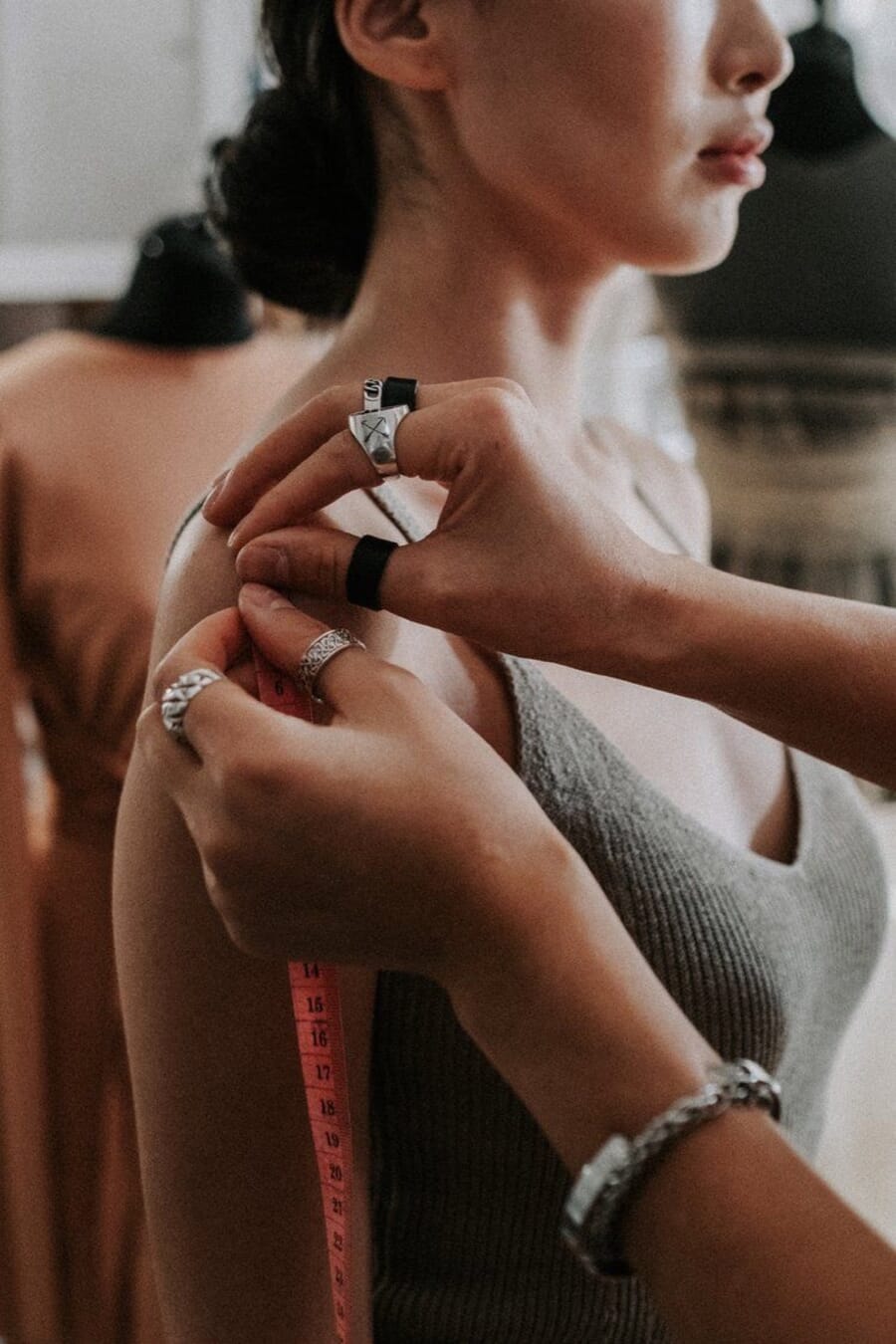
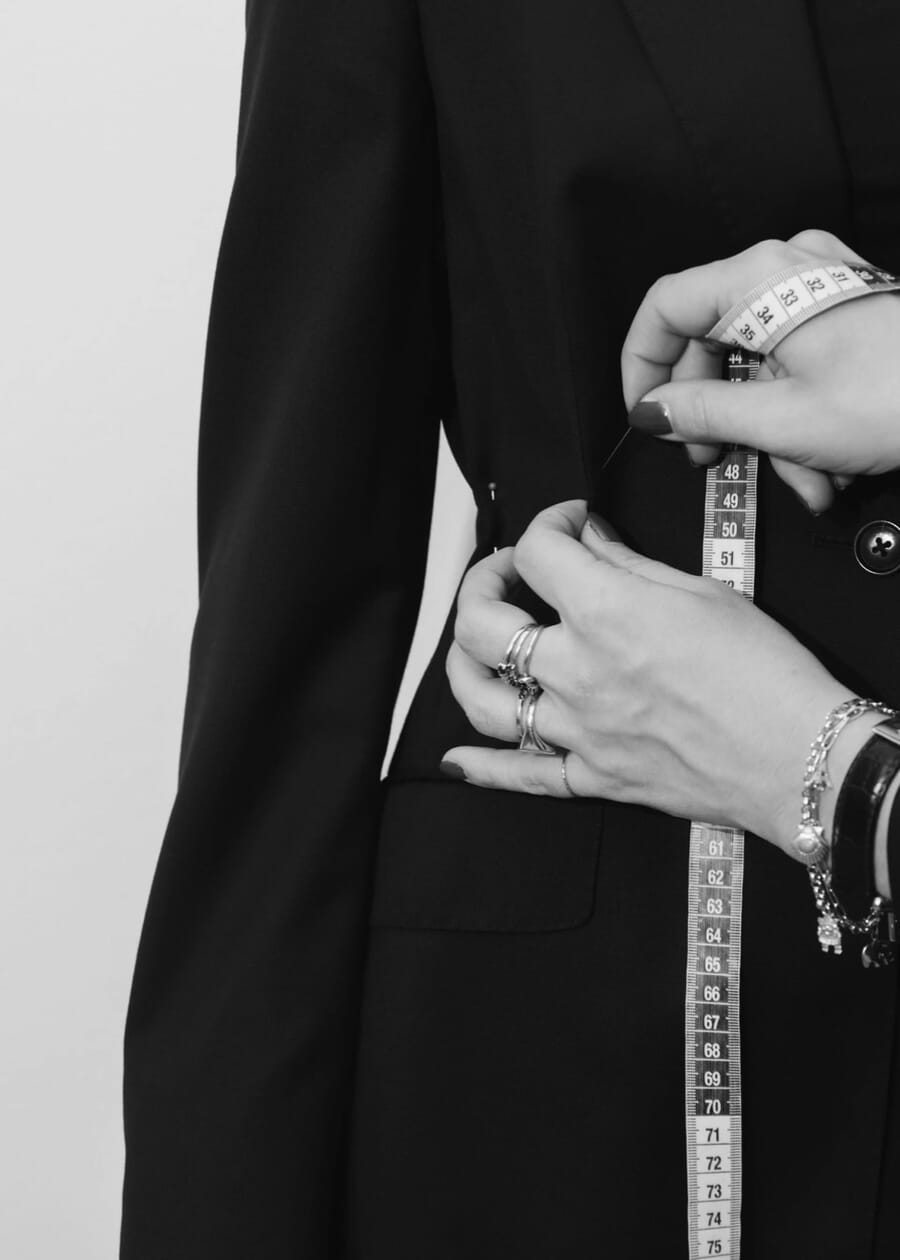
Hands measuring across the shoulder of a fitted top with a tape measureMeasuring the sleeve of a black jacket with a tape measure

Studio work: measuring across the shoulder; measuring the sleeve.
Generator

Your base size in, a graded size chart out.

Start from a garment preset (example values) or type your own points of measure. Every field is editable; the chart below regrades as you type.

Unit

1 · Base size and grade rules

All values in cm. Half measurements are measured flat.
Points of measure with base value, grade per size, grade above XL and tolerance. Editable
Point of measureBase (M)Grade / sizeGrade above XLTol ±Remove

T-shirt · cm2 · Graded size chart

Garment measurements, graded from the base size. Check against your sample

Want us to do it properly?

A generated chart is a start. In a tech pack we grade from your fitted sample, write how to measure every point, set tolerances per point and draw each one on the flat.

Size grading, explained

One base size, a rule for every point.

Grading is how one fitted sample becomes a whole size run. The factory needs three things from you for every point of measure: the base value, the grade rule and the tolerance.

  • Base size

    Grade from the size you fitted

    Measure your approved sample, not a body. Most brands fit womenswear on S and menswear and unisex on M, then grade up and down from there.

  • Grade rule

    How much each point moves per size

    Girth points move most (a 1/2 chest often 2.5 cm per size), lengths less, and details such as a rib height often not at all. Many brands take bigger steps above XL.

  • Tolerance

    How far production may drift

    A ± value per point that the factory’s QC checks against. Tight on small details, looser on long lengths and knit girths.

Worked example: 1/2 chest of a tee, base M = 54 cm, grade 2.5 cm, 3 cm above XL, tolerance ±1 cm. Example values
Point of measureXSSMLXL2XL3XLTol ±
1/2 chest4951.55456.55962651

Questions

Size charts and grading, answered.

What the generator does, what grade rules are and what a factory needs from you.

Rather hand it over?

We draw the whole tech pack.

$299 per style, 3–5 working days, reply within 24 hours. Or email garmentspec@gmail.com.

Get a quote for your tech pack

Grading scales a base size pattern up and down to the other sizes in your run. Each point of measure changes by a set amount per size, called the grade rule, so a 1/2 chest might grow 2.5 cm (1 in) from one size to the next.

Use the size you fit your sample on, usually S for women’s and M for men’s and unisex. The generator grades up and down from it.

Many brands use bigger jumps for the larger sizes so the fit keeps up with the body. The generator has a separate column for the grade beyond XL; set it equal to the normal grade if you want even steps.

The tolerance is how far a finished measurement may be from the spec and still pass, for example ±1 cm on a chest. Factories check production against it, so every point of measure needs one.

It grades garment measurements, the finished measurements of the product, which is what a factory needs. A body size chart for your store can be built the same way from body measurements.

Yes. Copy puts the table on your clipboard with tabs between columns, so it pastes into cells. Download CSV gives you a file that opens in any spreadsheet.

When you would rather hand it over

The same work, done by our studio.

Free tools cover the parts you can do yourself. For the rest, a technical designer on our team in the USA draws, measures and checks the full tech pack.

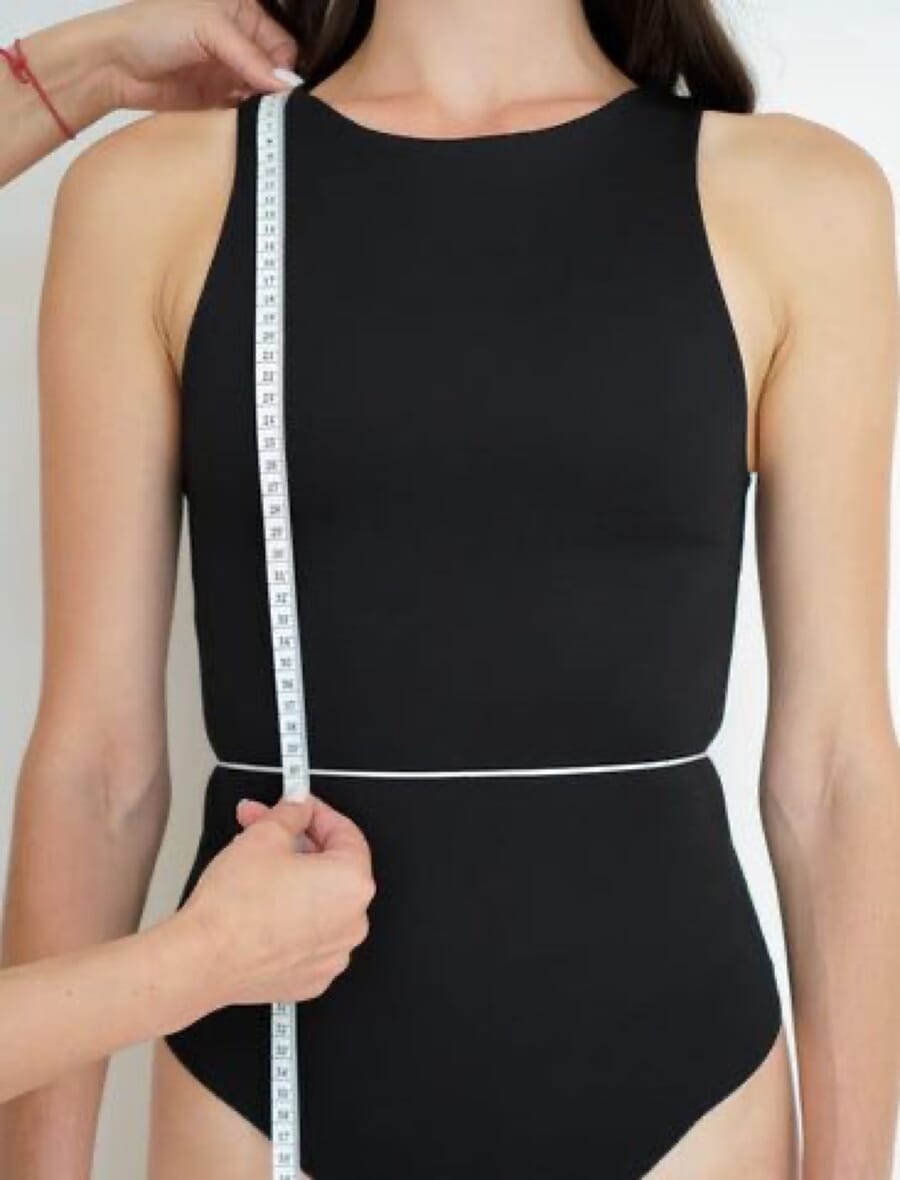
  • Measuring a black bodysuit at the waist with a tape measure
    Measuring the waist
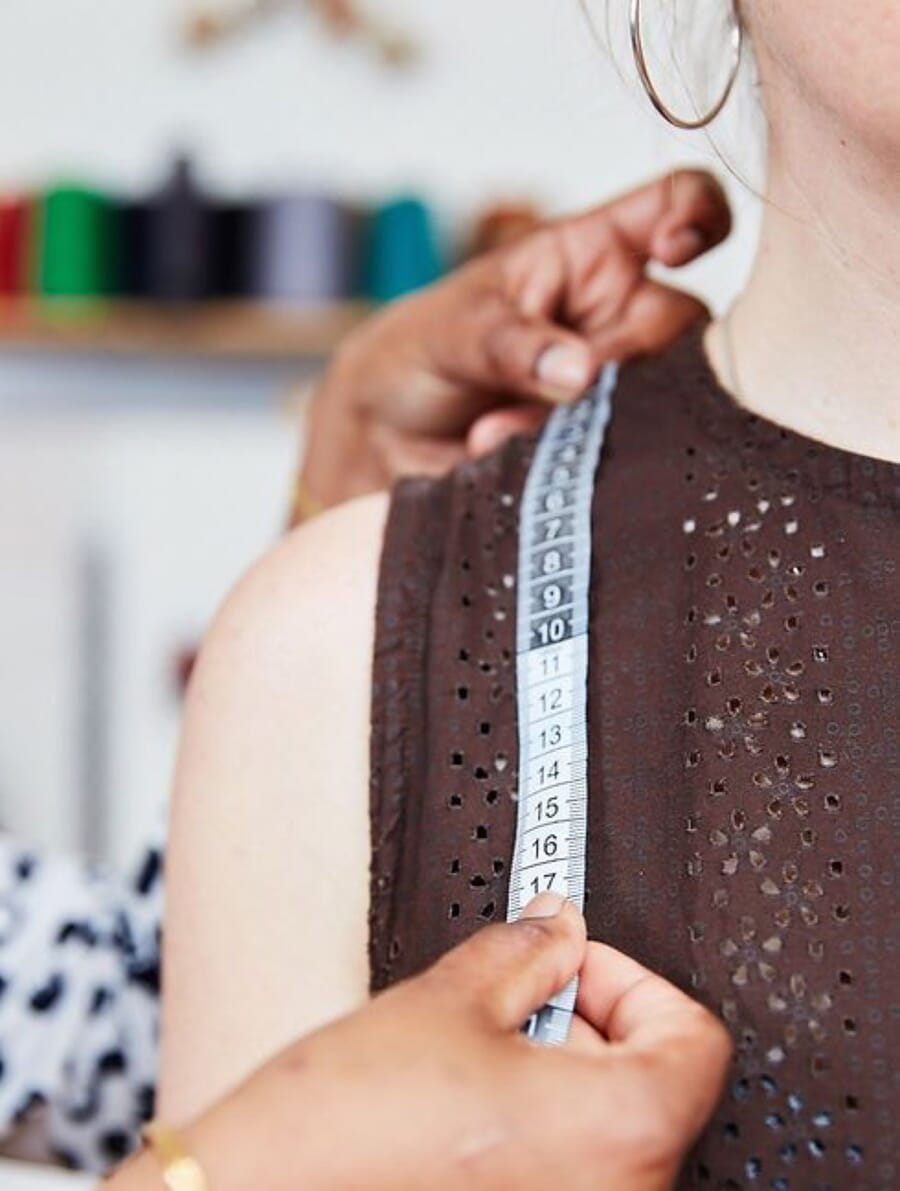
  • Hands holding a tape measure at the shoulder seam of a brown knit top
    Checking the shoulder seam
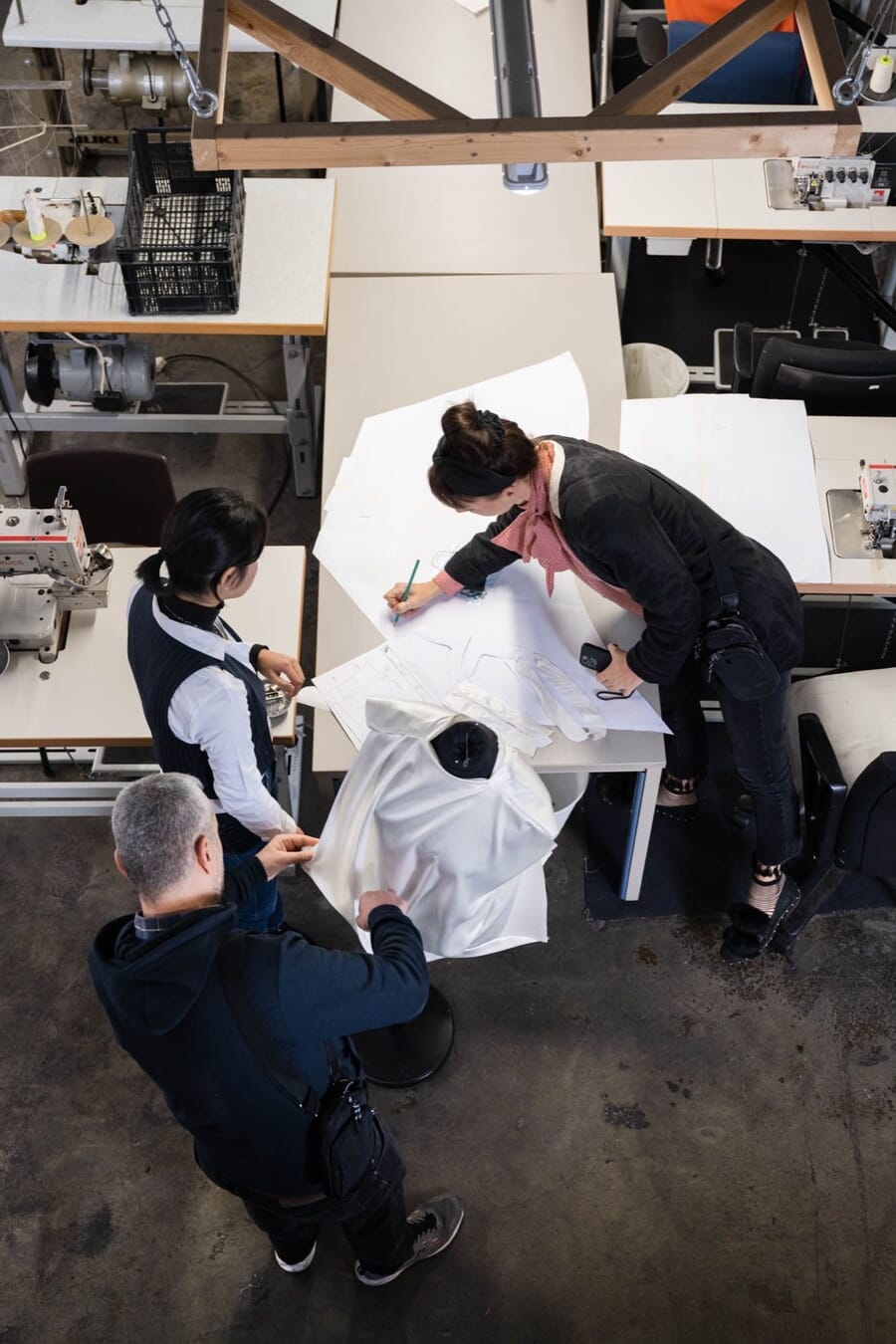
  • Overhead view of a team measuring and adjusting a garment on a cutting table
    Measuring on the table
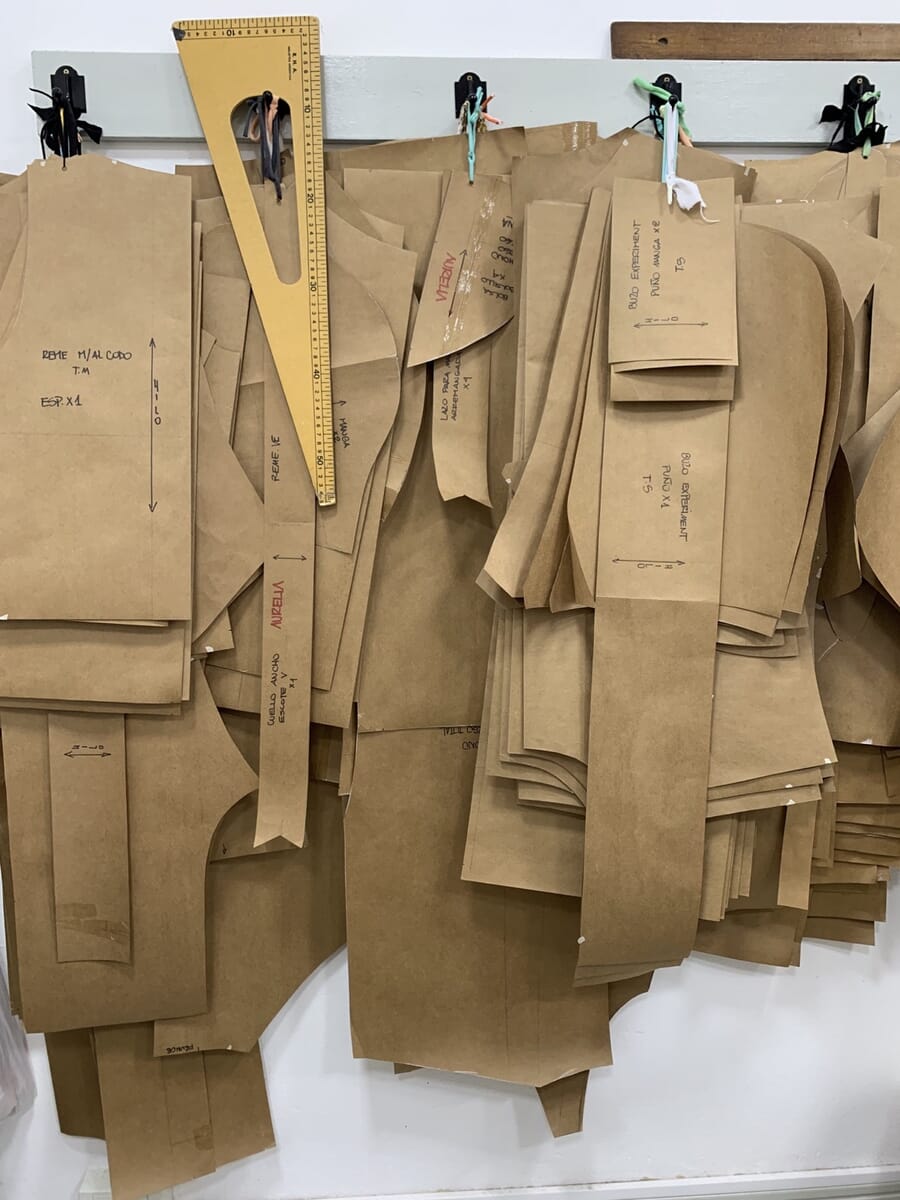
  • Brown paper patterns hanging on hooks with a pattern ruler
    Paper patterns
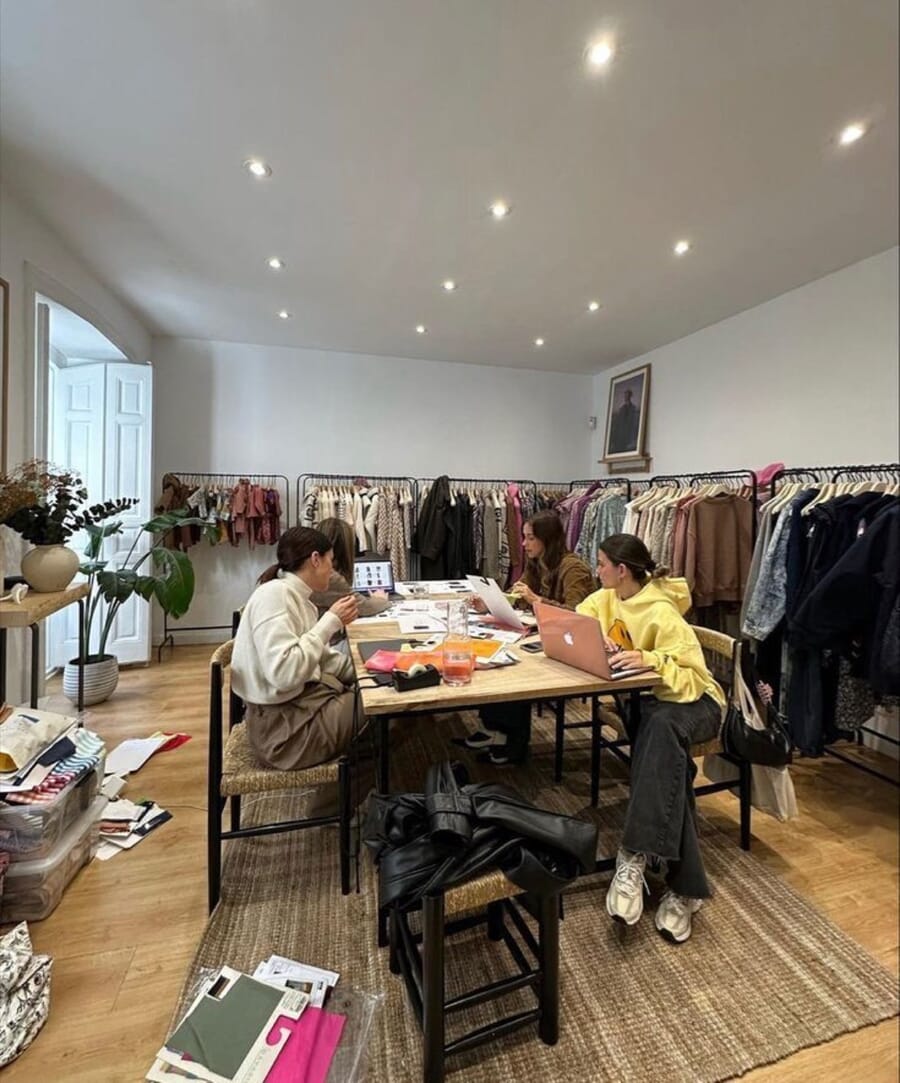
  • Bright studio with a long work table and rails of clothing along the walls
    Sample rails and work table

Free quote · Reply within 24 hours · Flat fee per style · Studio team in the USA

Your brief

Send what you have. We quote the tech pack.

No perfect file needed. Tell us what you are making and we reply within 24 hours with the tier, the price and the timeline, before any work starts.

  • A photo or referenceA garment you like the fit of, or a sketch.
  • Your size rangeBase size and the sizes you plan to sell.
  • Fabric and trims If knownComposition, weight, zips, labels. We fill the gaps.
  • Styles and timelineHow many styles and when your factory needs the file.

Free quote · Reply within 24h · Flat fee per style · No cut of your production · garmentspec@gmail.com