1. Home
  2. Fabric yardage calculator

Free tool · Fabric

Fabric yardage calculator for 9 garments.

Pick a tee, hoodie, jeans or six other garments, set the fabric width, sizes, quantities, wastage and nap. You get yards and meters per piece and for the whole order, with the formula behind it.

  • Yards and meters
  • Per size and per order
  • Formula shown

Free tool · No sign-up · Nothing leaves your browser

Hands guiding cream twill with contrast topstitching under a sewing machine foot
Topstitching a twill panel
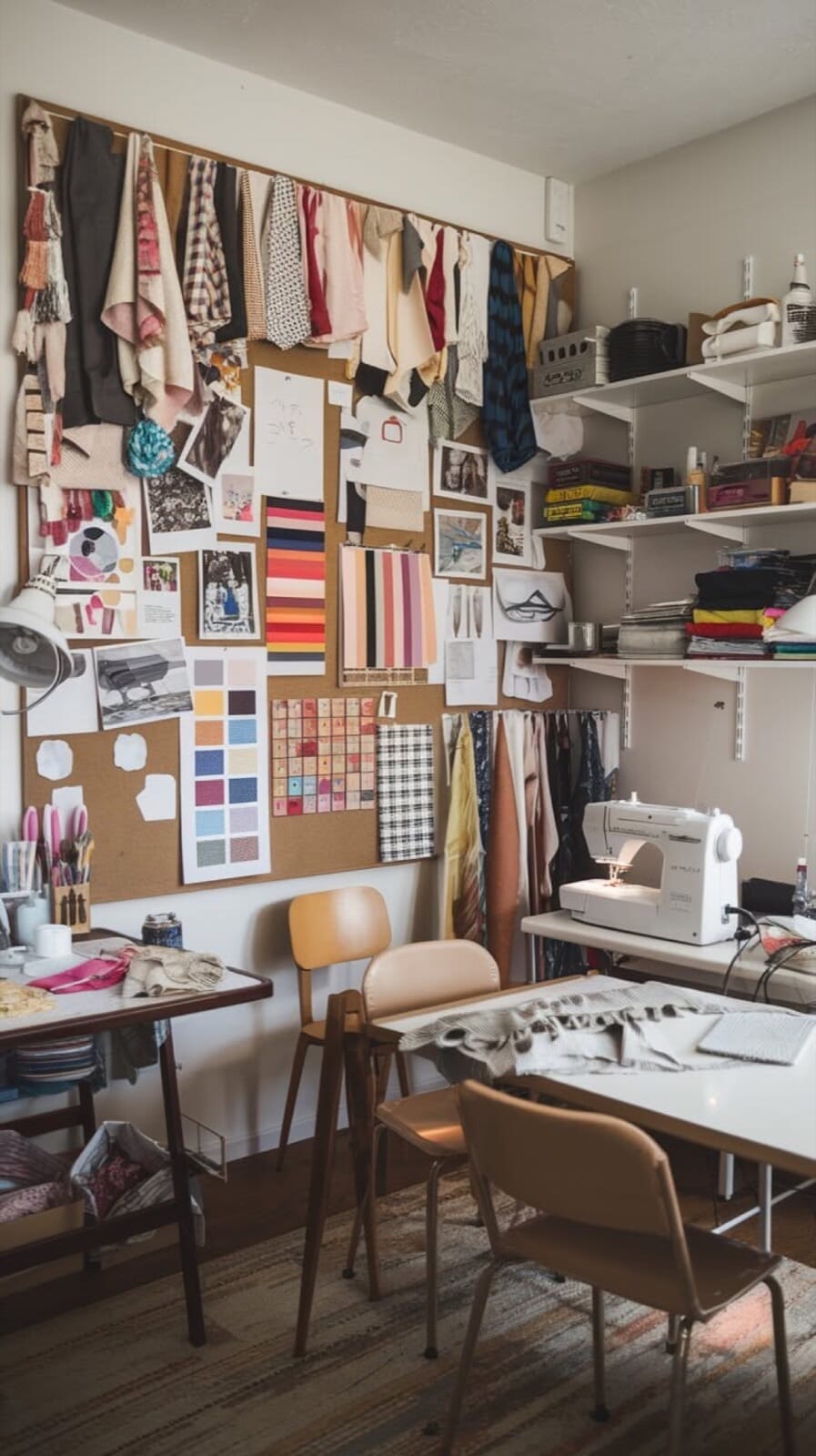
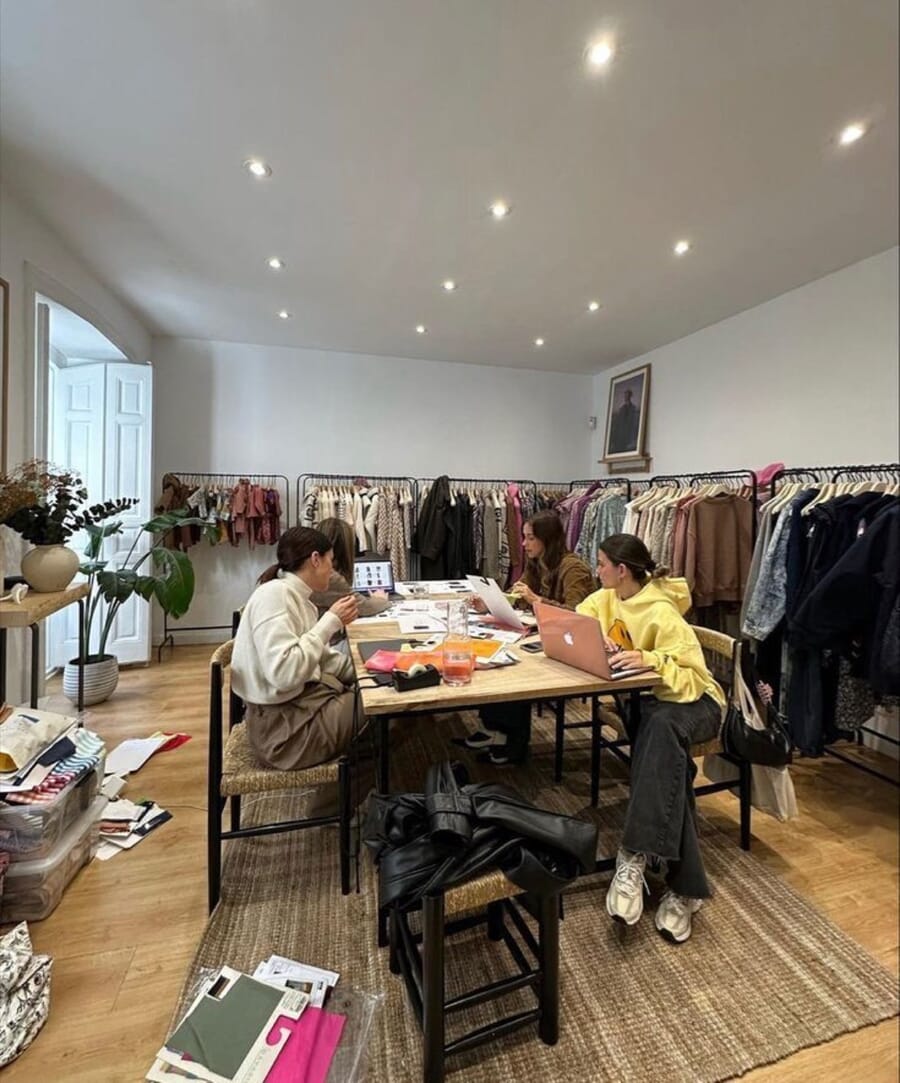
Studio corner with fabric rolls, moodboards and a sewing machine on shelvingTeam working at long tables with fabric rolls and laptops, rails of garments behind

Studio work: fabric and references; fabric rolls and laptops.
Calculator

Pick a garment, get the yards per piece and per order.

Every garment starts from a set of body panels at size M. Change the fabric width, the size run, the quantities, the wastage and the layout; the result updates as you type.

1 · Garment

Short-sleeve crewneck tee, hip length.

2 · Fabric width

We use the cuttable width: about 1 in (2.5 cm) of selvedge comes off each side.

4 · Quantity per size

Pieces to cut in each size. Set a size to 0 to leave it out.

End losses, flaws, shrinkage testing, cutting errors.

6 · Layout direction

One-way: velvet, corduroy, brushed fleece or a directional print. Pieces cannot turn 180°, so the layout wastes more.

Advanced: layout efficiency

How much of the marker the panel rectangles fill. Our default is 85% two-way and 77% one-way. Leave it unless your cutter gives you a number.

Tee · 58/60 inEstimate

Per piece, size M0yd0 m

Whole order0yd0 m

Typical range

Per size, fabric width as selected. Estimate
SizeQtyyd / pcm / pcTotal yd

This is an estimate. A marker made from your own graded pattern gives the real number; ask your cutter or factory for it before you buy the whole order.

Want us to do it properly?

Your tech pack lists the fabric, width, weight and composition on the bill of materials, with graded measurements your factory can build a marker from.

Panels behind this estimate (size M)
Bounding rectangle of each panel, seam allowance included. Typical values for an adult size M, not your pattern
PanelWidth cmLength cmCutArea cm²

How the estimate works

Panels in, yards out. No black box.

Fabric consumption is the area of the pieces you cut, spread across the width you can cut from, plus what a real layout loses. Here is every step and every assumption.

  1. 1

    Add up the panels

    Each garment is a list of body panels at size M (front, back, sleeves, hood, waistband and so on), each as a rectangle with seam allowance included, times the number you cut.

    area = Σ width × length × pieces

  2. 2

    Spread them over the width

    Only the cuttable width counts: about 1 in (2.5 cm) of selvedge comes off each side. Rectangles never nest perfectly, so we assume they fill 85% of the lay (77% one-way).

    length = area ÷ (cuttable width × efficiency)

  3. 3

    Add wastage, then grade

    Wastage covers ends of the lay, flaws and testing. Each size up or down grades panel width by 3.5% and length by 2%, then quantities per size give the order total.

    yards = length × (1 + wastage) ÷ 91.44 cm

Typical ranges, adult size M, 58/60 in fabric, main fabric only. They vary with style, fit and length
GarmentTypical rangeCalculator, default
T-shirt1–1.5 yd1.05 yd
Hoodie2–2.5 yd2.09 yd
Sweatpants1.5–2 yd1.62 yd
Jeans1.5–2 yd1.70 yd
Shirt, long sleeve1.75–2.25 yd1.89 yd
Dress, knee length1.5–3 yd1.75 yd
Jacket, unlined2–2.75 yd2.04 yd
Leggings1–1.25 yd1.16 yd
Skirt, knee length0.75–1.25 yd0.98 yd

Why the real number will differ

  • Your pattern: an oversized body, a longer length or extra panels change the area more than anything else.
  • The marker: a cutter nesting real curved pieces across all sizes at once usually beats rectangles; a narrow width or a big panel does worse.
  • Fabric: shrinkage allowance, tubular knits, stripes or checks to match, and one-way piles.
  • Other materials: rib, lining, interlining and pocketing are separate lines on the bill of materials.

Before you buy the whole order, ask your factory for the marker length from your graded pattern. The sizes come from your size chart.

The team behind every pack

Real people draw every tech pack.

Our studio team in the USA drafts every flat, measurement and note, and answers your revision rounds by email. No template generator, no guesswork.

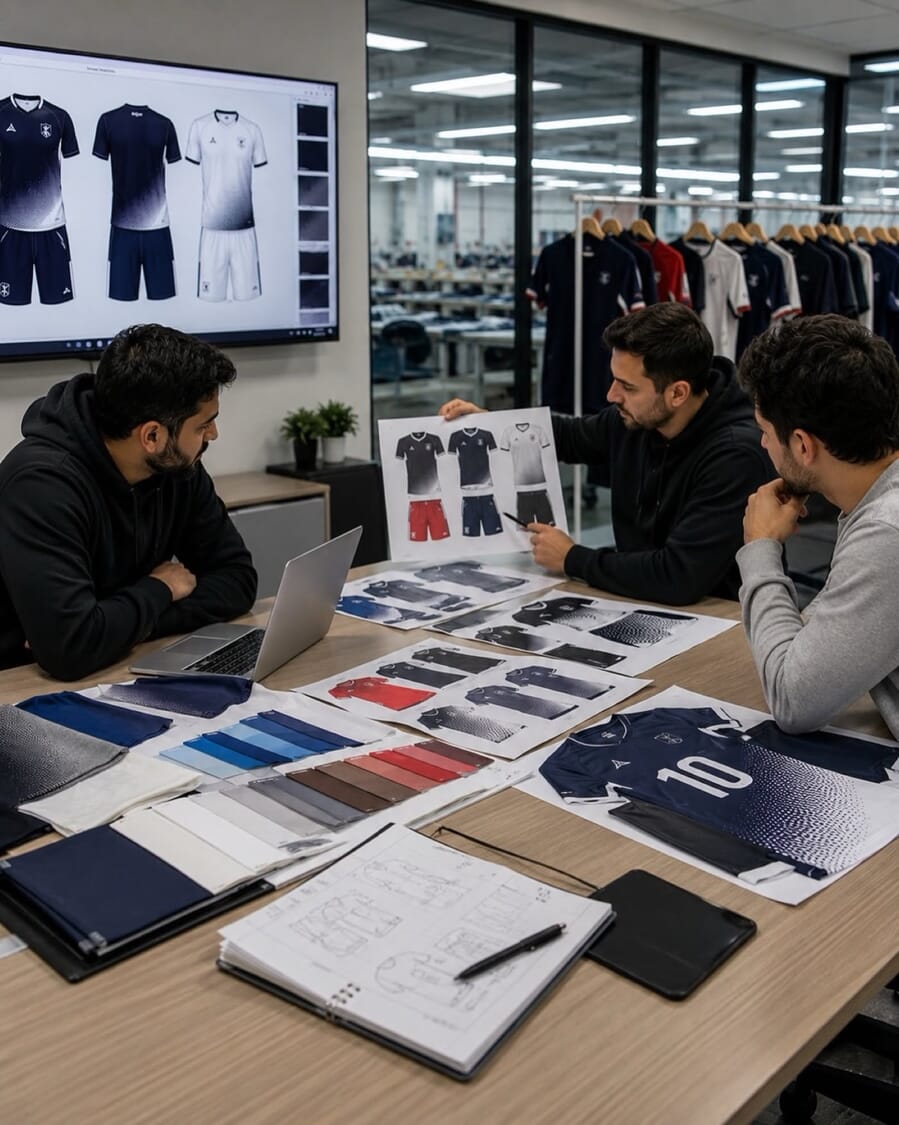
  1. Team at a table reviewing printed sportswear flats and color swatches, with the designs on a screen behind Reading a brief with flats and swatches
    01

    We read your brief

    Sketch, reference photo or sample: someone on our team reads it and replies within 24 hours with the tier, the price and the timeline.

  2. Tech pack page with front, side and back technical flats of a raglan active t-shirt Example page
    02

    We draw the flats

    A technical designer draws every view to proportion, with numbered callouts for each seam, stitch and trim.

  3. Vest tech pack page with front and back flats, a graded measurement table and a bill of materials Example page
    03

    We grade and spec

    Measurements graded across your sizes with a tolerance on every line, plus the bill of materials and construction notes.

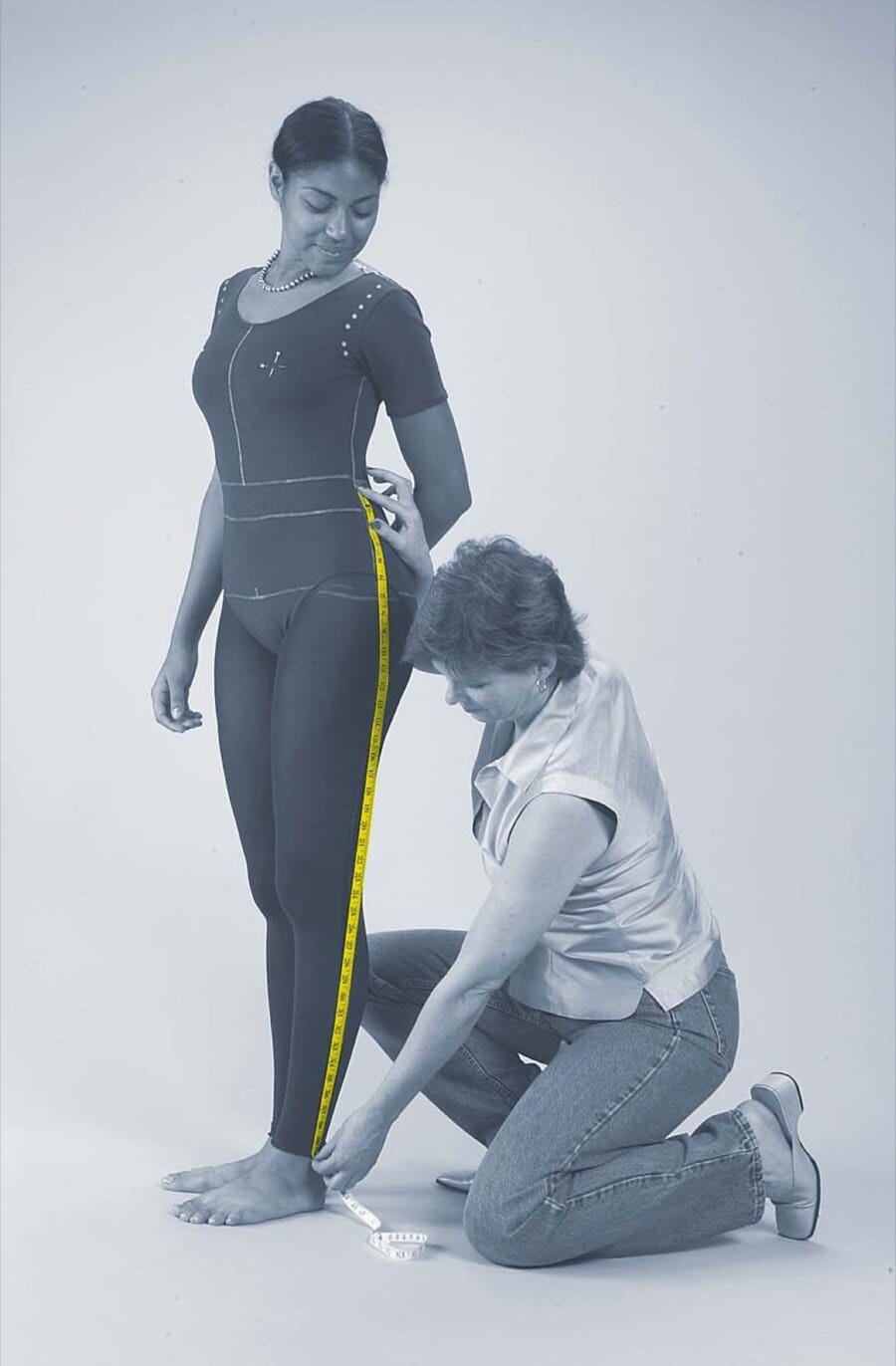
  4. Technical designer kneeling to measure the inseam of a fit model with a tape measure Measuring the inseam on a fit model
    04

    A second person checks every measurement

    Before delivery, someone who did not draw the pack checks every point of measure against the flats. Then 2–3 revision rounds by email.

Example pages are shown with the brand removed. Photos show the kind of studio work behind each step.

Questions

Fabric yardage, answered.

How the estimate works, how far to trust it and when to ask for a marker.

Rather hand it over?

We draw the whole tech pack.

$299 per style, 3–5 working days, reply within 24 hours. Or email garmentspec@gmail.com.

Get a quote for your tech pack

It is an estimate built from typical body panels for an adult size M, so it lands close for a standard style and drifts for oversized fits, long lengths or extra panels. For the real figure, your factory or cutter makes a marker from your graded pattern and reads the length off it.

A marker is the cutting layout: every pattern piece for every size placed on the fabric width, as tightly as possible. Its length is the fabric used per lay, and its efficiency is the share of the fabric the pieces cover.

On 58/60 in fleece, a pullover hoodie with a lined hood and pouch pocket typically takes 2–2.5 yd in an adult size M, before rib. The calculator gives about 2.1 yd with 5% wastage; one-way fleece takes more.

A short-sleeve crewneck tee typically takes 1–1.5 yd of 58/60 in jersey in an adult size M. The calculator gives about 1.05 yd with 5% wastage. Tubular jersey and narrow widths change the number.

Velvet, corduroy, brushed fleece and directional prints look different upside down, so every piece must point the same way. Pieces cannot be turned 180° to nest, the marker gets longer, and the calculator lowers the layout efficiency from 85% to 77%.

No. It covers the main (shell) fabric only. Rib trims, linings, interlining and pocketing are separate lines on the bill of materials, each with its own consumption.

When you would rather hand it over

The same work, done by our studio.

Free tools cover the parts you can do yourself. For the rest, a technical designer on our team in the USA draws, measures and checks the full tech pack.

  • Three designers at a table covered with fabric samples and laptops
    Fabric review
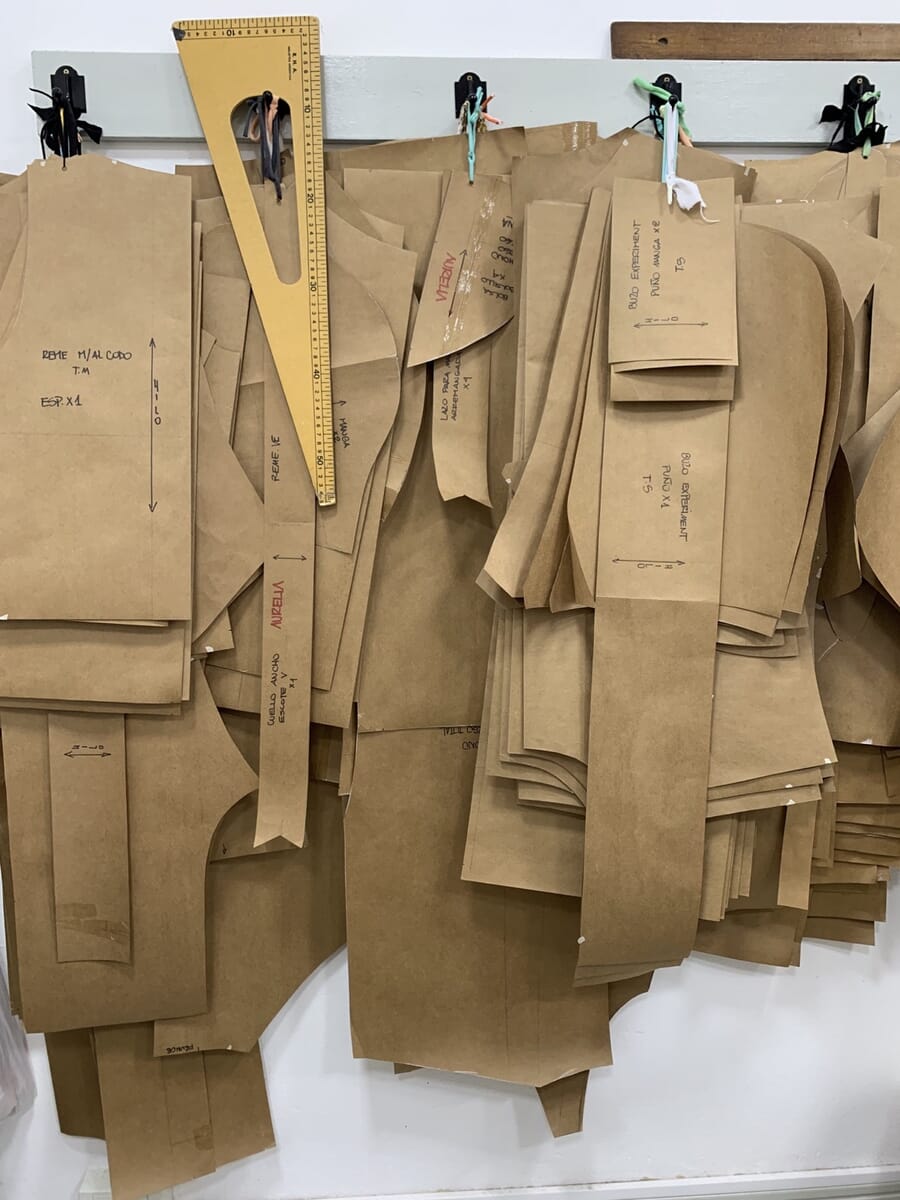
  • Brown paper patterns hanging on hooks with a pattern ruler
    Paper patterns
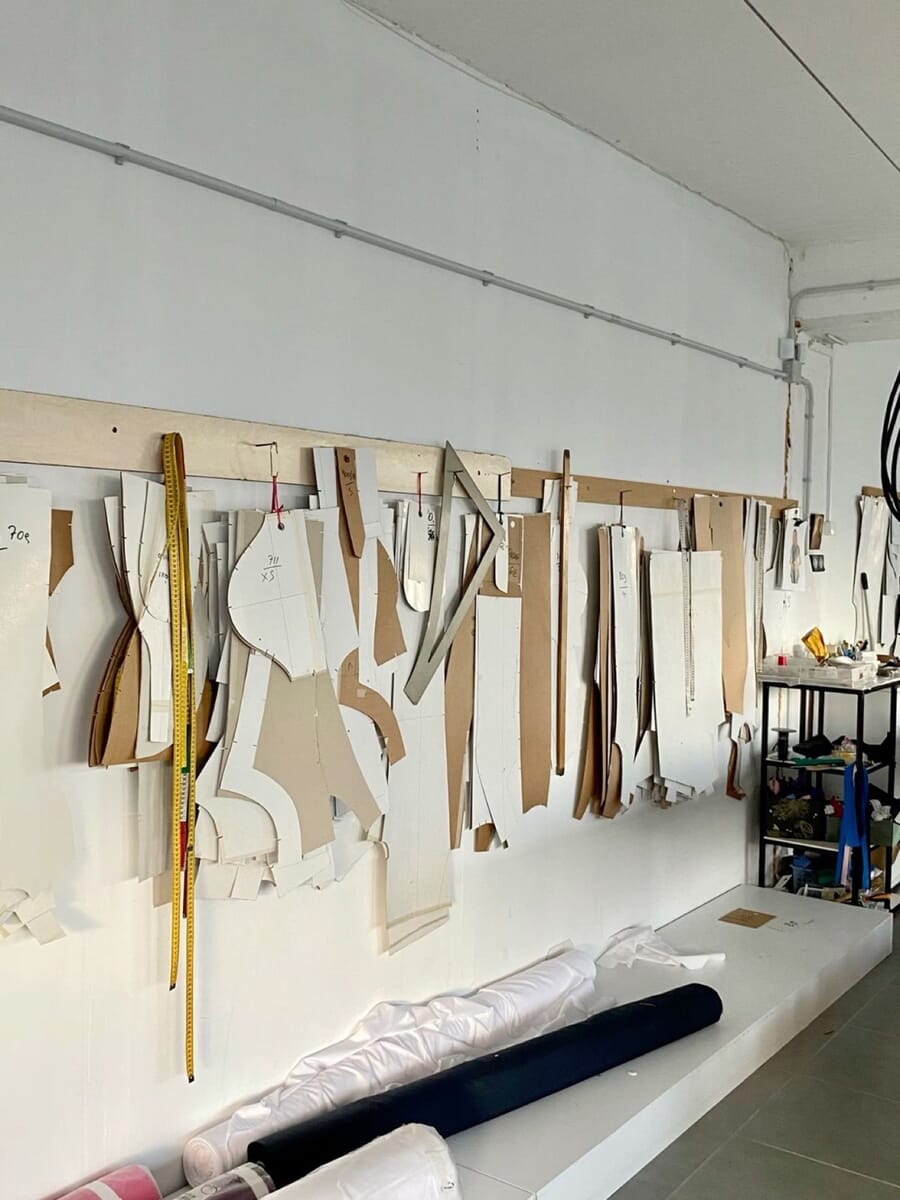
  • Paper pattern pieces hanging along a studio wall above a long cutting table
    Patterns above the cutting table
  • Reference photos, fabric swatches and a hang tag laid out on a table
    References and a hang tag
  • Bright studio with a long work table and rails of clothing along the walls
    Sample rails and work table

Free quote · Reply within 24 hours · Flat fee per style · Studio team in the USA

Your brief

Send what you have. We quote the tech pack.

No perfect file needed. Tell us what you are making and we reply within 24 hours with the tier, the price and the timeline, before any work starts.

  • A photo or referenceA garment you like the fit of, or a sketch.
  • Your size rangeBase size and the sizes you plan to sell.
  • Fabric and trims If knownComposition, weight, zips, labels. We fill the gaps.
  • Styles and timelineHow many styles and when your factory needs the file.

Free quote · Reply within 24h · Flat fee per style · No cut of your production · garmentspec@gmail.com