Contents
- How do shoe and handbag tech packs differ fr…
- What goes into a shoe tech pack?
- What goes into a handbag tech pack?
- How do you spec dimensions when there's no s…
- Why does footwear and handbag sampling diffe…
- Which apparel tech pack principles still app…
- Where does apparel end and a different craft…
- What should you hand a footwear or leather g…
- Finding a footwear or leather goods specialist
- FAQ
- The honest bottom line
A shoe tech pack and a garment tech pack share a name and almost nothing else. Both are the document a factory builds from. Sewport defines a tech pack as the blueprint that tells a manufacturer exactly how to make your product (Sewport). But the moment you swap a cotton tee for a sneaker or a structured handbag, the supply chain changes, the factory changes, and the spec changes with it. I build apparel tech packs. Footwear and leather goods aren't my craft, and this post won't pretend otherwise. What follows is an honest map of what those documents need, and how to tell when you've left apparel behind.
Key Takeaways - A shoe tech pack needs a last, a graded size run, outsole tooling, and a construction method. None of that lives in an apparel spec. - A handbag tech pack needs leather grade, thickness in ounces, hardware call-outs, and edge finishing. - Core principles carry over: bill of materials, points of measure, tolerances, and AQL sampling. - Apparel tech packs typically run 500 to 2,000 dollars per style (Guru, 2022). - We do apparel. Footwear and leather goods belong with a specialist.
How do shoe and handbag tech packs differ from apparel?
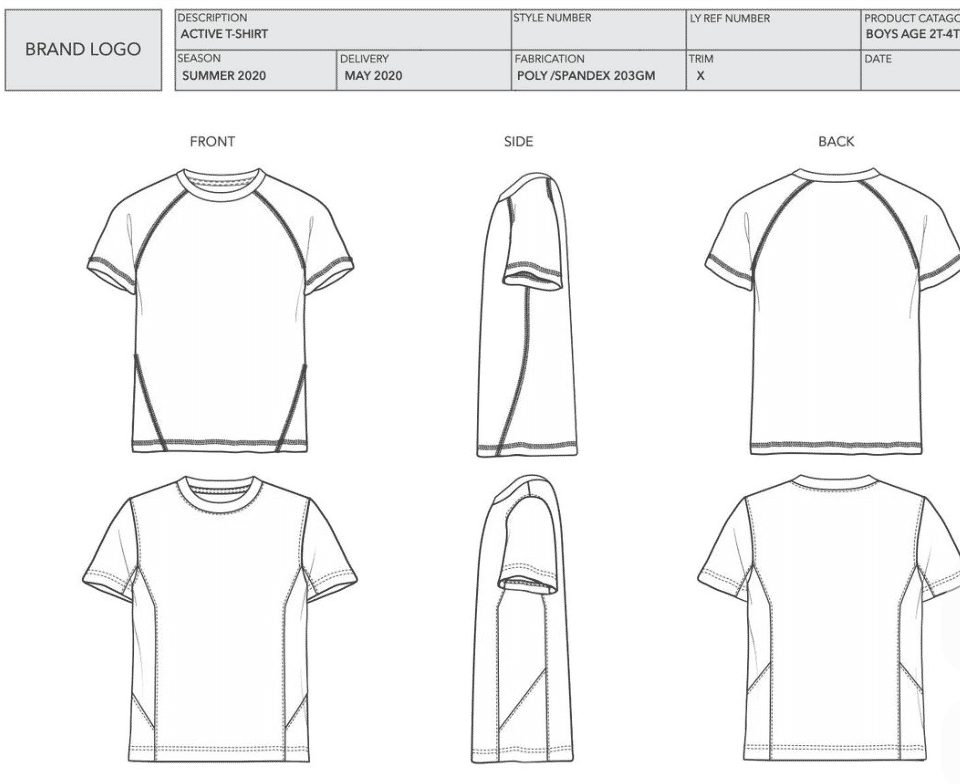
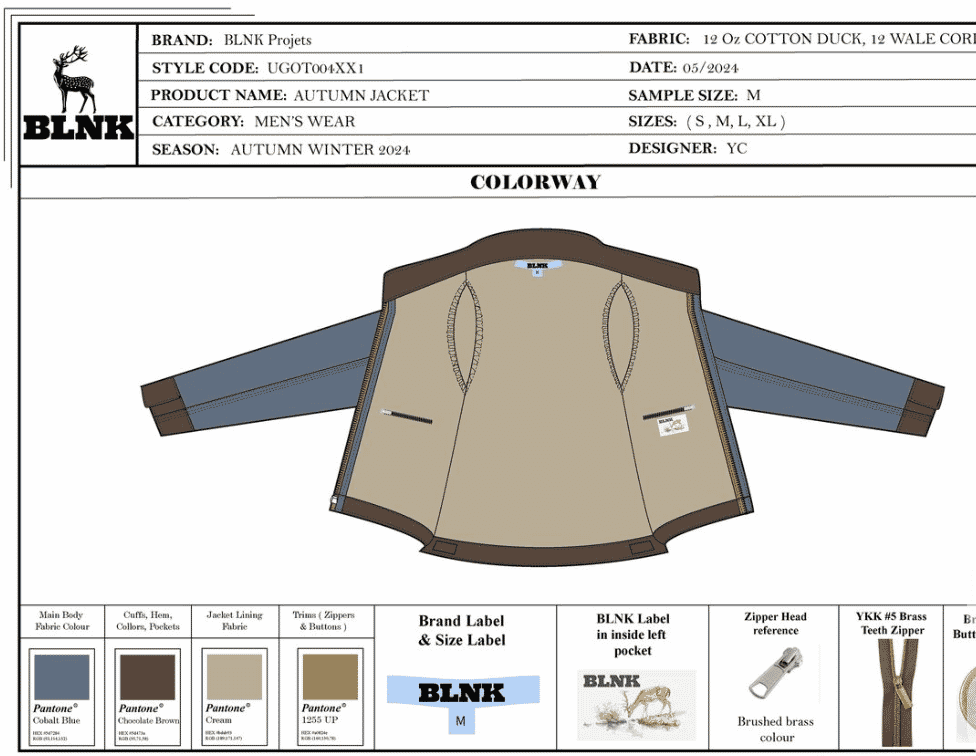
They differ in the parts a factory can't guess. An apparel tech pack specs cloth, seams, and measurements. A footwear or handbag tech pack adds rigid components, molded parts, hardware, and material grades that a cut-and-sew factory never touches. Techpacker describes the tech pack as the full technical blueprint a manufacturer needs (Techpacker). The blueprint just carries very different cargo.
Think about what a factory holds in its hands. A garment maker gets fabric, thread, and a pattern. A shoe factory gets a last, an upper, a sole unit, and a machine that molds them together. A leather goods factory gets hide, hardware, and edge paint. Same idea, different craft.
Techpacker frames a tech pack as the document that communicates every technical detail to the factory (Techpacker). For apparel that means fabric and seams. For footwear and handbags it means components, tooling, and material grades that a garment spec has no field for.
What goes into a shoe tech pack?
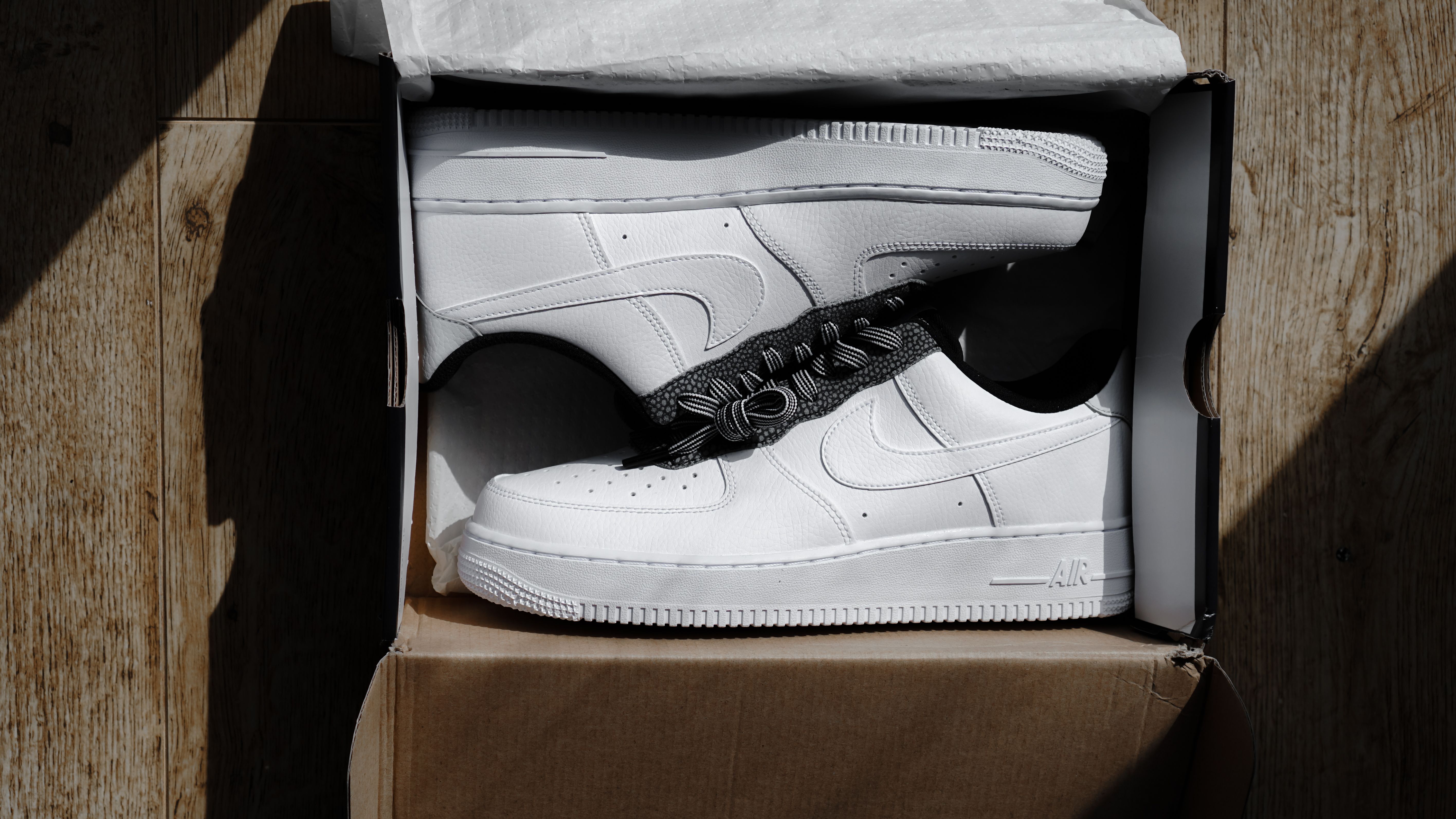
A shoe tech pack specs four things a garment never has: a last, an upper with its own pattern, a sole unit, and a construction method. Add a graded size run and a components list sourced from a footwear supply chain. Sewport notes that a tech pack must list every component and material (Sewport). For footwear, that list is long and unfamiliar.
The last and the size run
The last is the foot-shaped mold the shoe is built around. It sets fit, volume, toe shape, and heel seat. Every size needs a graded last, so the tech pack references a last code and a full size run, not a single sample size. Get the last wrong and the shoe fits wrong at every size. Nothing in apparel behaves like this.
Sizing itself is a spec decision. Footwear runs in three main systems: US, UK, and EU, plus mondopoint, which measures the foot in millimeters. The tech pack names which system is master and lists the whole run, say US 7 to 13 for a men's style or EU 36 to 42 for a women's one. Each step up the run grades the last in length and girth, not just length, roughly 8.5mm per full US size through the toe. The sample size usually sits mid-run, often a US 9 or EU 42, so grading errors show at both ends.
Upper materials and pattern
The upper is the top part of the shoe. It has its own multi-piece pattern, cut from leather, suede, mesh, engineered knit, or synthetics, and each panel is specced separately. The tech pack calls out material, thickness in millimeters, backing, and where reinforcement sits. Upper leather commonly runs 1.4mm to 1.8mm. Stitching type and stitch density matter here, much like a garment, but the panels wrap a three-dimensional last.
Name the panels, because the factory cuts each one. A typical upper breaks into toe cap, vamp, quarters, heel counter, tongue, and collar. Two panels almost always carry hidden reinforcement: the toe puff and the heel counter, both stiffened with a thermoplastic insert. The tech pack specs each insert's placement and stiffness, plus stitch density in stitches per inch and the thread tex. Miss the toe puff spec and the toe box collapses after a week of wear.
Outsole, midsole, and tooling
The sole unit is where footwear leaves apparel completely. An outsole and midsole are often molded, which means tooling: a physical mold that costs money and time to cut. The tech pack specs sole material, hardness, tread, and the mold reference. There's no fabric equivalent. This is closer to product engineering than sewing.
Sole materials each behave differently, so the spec has to name one. Rubber grips and lasts but adds weight. EVA is a light foam used mostly in midsoles for cushioning. TPR and TPU sit in between on cost and durability. Hardness gets specced in Shore A, and an outsole often lands around 60 to 70 Shore A, firm enough to wear well but not brittle. The tech pack also fixes tread pattern, lug depth, midsole thickness and density, and any shank or plate that stiffens the arch. Every one of those references a mold, and every mold is a line item with a lead time.
Insole, sock liner, and small components
Inside the shoe sits a stack of parts a garment spec has no name for. The lasting board or insole board forms the base the upper wraps around. Above it, a sock liner, or footbed, carries the branding and the underfoot feel, specced by material such as EVA or memory foam, whether it's glued or removable, and any print. Then come the closure parts: eyelets, hooks, or speed lacing, plated to match the hardware story, plus laces specced by length per size. Heel height, stack height, and toe spring round out the geometry.
Construction: lasting, cementing, or stitching
Construction is how the upper joins the sole, and it decides durability, repairability, and cost. Lasting comes first: the step that pulls the upper tight over the last so the sole can attach. That step has no apparel parallel at all. After lasting, the factory bonds the sole by one of several methods, and the tech pack must name which, because each needs a differently tooled line.
| Construction method | How the sole attaches | Trade-off |
|---|---|---|
| Cemented | Adhesive bonds upper to sole | Cheapest, lightest, fast; hard to resole |
| Vulcanized | Rubber sole heat-bonded with foxing tape | Flexible, classic sneaker look; mid-durability |
| Injection / direct-attach | Sole material molded straight onto the upper | Strong waterproof bond, high volume; costly tooling |
| Blake stitch | Sole stitched to the insole from inside | Sleek, resoleable; less water-resistant |
| Goodyear welt | Welt stitched to upper and insole rib, then to outsole | Most durable and resoleable; heaviest, priciest |
A footwear tech pack must reference a last and a graded size run, because fit is molded, not sewn. A tech pack has to list every component, and for a shoe that means outsole tooling, midsole hardness, and a construction method that a garment factory has never once produced.
What goes into a handbag tech pack?
A handbag tech pack sits closer to apparel than footwear does, then diverges hard on materials and hardware. It specs leather grade, thickness in ounces, hardware, lining, edge finishing, and construction. Sewport notes that components and hardware belong in the bill of materials (Sewport). For a structured bag, hardware and leather are the whole game.
Hardware and components
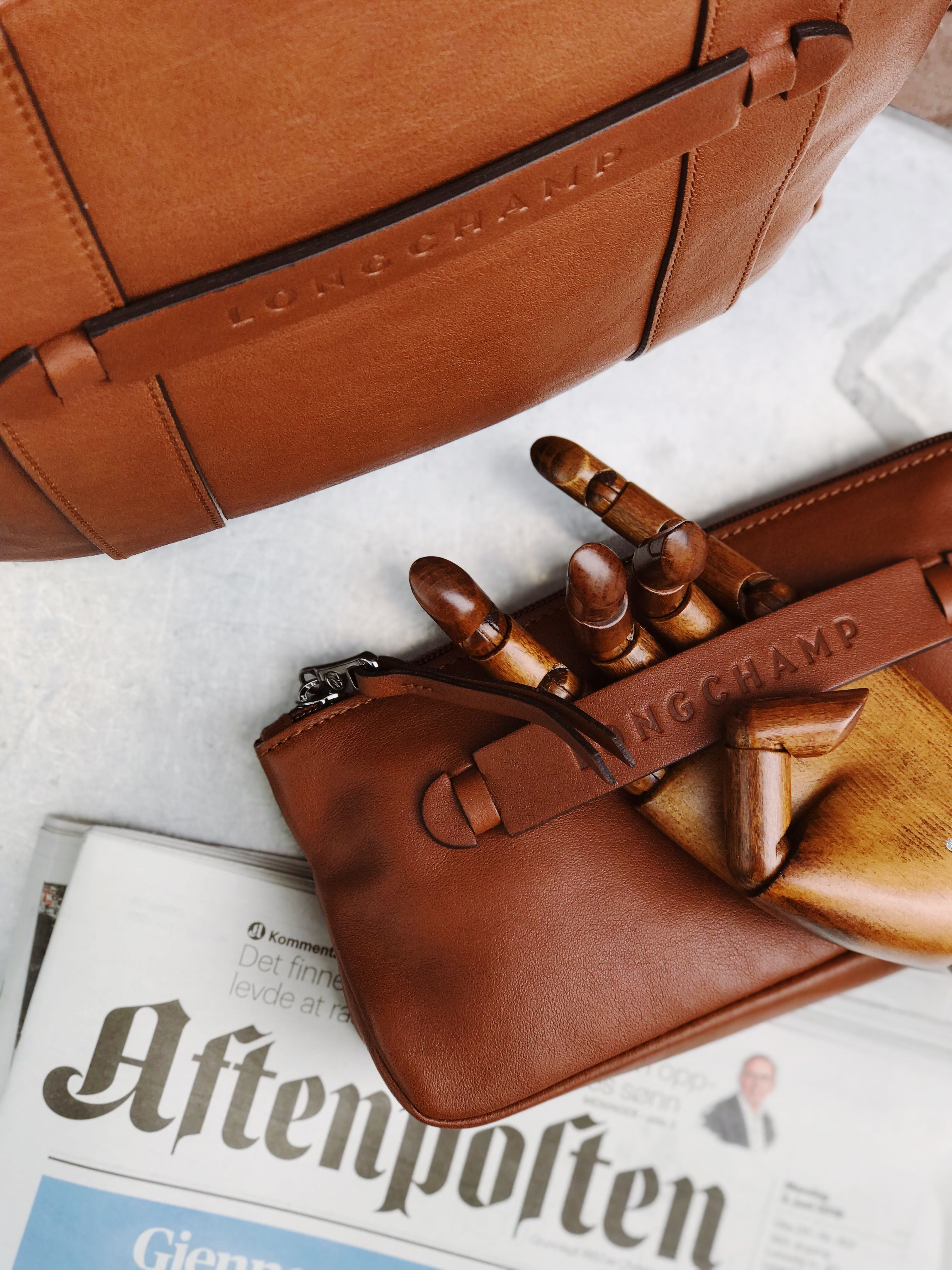
Hardware is where a handbag tech pack earns its keep. Zips, clasps, rivets, D-rings, magnetic closures, and metal feet each need a spec: finish, size, plating, and supplier reference. A cheap zip on a nice bag is the fault everyone notices first. The tech pack has to pin down every piece of metal, not just the leather.
Get specific, because "gold zip" isn't a spec. A zip needs a type, coil or metal teeth, a gauge such as #3, #5, or #8, a tape color, and a slider and pull style. Closures split into magnetic snaps, twist locks, turn locks, and tuck locks, each a different function. Strap attachments run on D-rings, O-rings, and swivel snap hooks. Then there's the finish story: nickel, gunmetal, antique brass, gold, or palladium plating, and it has to read the same across every piece. Mixed plating tones on one bag look like a mistake, because they are one.
Leather grade and thickness
Leather is specced by grade and by thickness, usually in ounces or millimeters, where one ounce runs about 0.4mm. Full-grain, top-grain, and split behave differently and cost differently. Thickness changes how the bag holds its shape and how it stitches. The tech pack states the grade, the thickness, the tannage, and the finish. Substitutions here change the product completely, so the spec has to be exact.
Grade is a hierarchy, and price tracks it. Full-grain keeps the hide's top surface, natural marks and all, and wears best. Top-grain is sanded smooth for a uniform look. Split and genuine leather come from lower layers, and bonded leather is scrap pressed together. Faux options, PU, coated canvas, cotton canvas, and nylon, spec differently again. Panel leather often lands around 2 to 3 oz, roughly 0.8mm to 1.2mm, while straps and bases go thicker at 4 to 6 oz for strength. Tannage, vegetable for a stiff hide that patinas or chrome for a soft, water-resistant one, belongs in the spec too, alongside the finish, whether aniline, semi-aniline, or pigmented.
Lining, interfacing, and stiffener
Structure is a spec, not an accident. A bag holds its shape because of layers you never see: lining, interfacing, and stiffener. Lining gets specced by material, cotton twill, microsuede, polyester, or leather, plus color and which interior pockets it carries. Interfacing or stiffener, fusible or sew-in, gives the panels body, and the tech pack names the type, buckram, chipboard, plastic sheet, or foam, and exactly where it sits. The base often takes a reinforced board and metal feet so it doesn't sag or scuff. Skip these call-outs and a structured tote comes back slouching like a soft one.
Edge finishing and construction
Edge finishing is the detail that separates a handmade look from a cheap one. Edges can be painted, folded, or left raw, and each needs its own call-out. Construction method matters too: turned-edge gives a clean folded seam, raw-edge shows the leather. Stress points, like where a strap meets the body, need reinforcement specced in. These are leather-craft decisions, not sewing decisions.
Two finishes dominate, and they aren't interchangeable. A turned edge folds the leather under and stitches it clean, which means the leather has to be skived, thinned at the fold, so the seam isn't bulky. Edge paint leaves the cut edge exposed, then burnishes and paints it in layered coats with sanding between. Each needs its own instruction and its own skill on the line. Reinforcement gets specced at every stress point, where a handle meets the body, at D-ring anchors, with a bar-tack, a rivet, or a leather backing patch. The tech pack that names skiving, edge treatment, and reinforcement placement is the one that comes back looking like the drawing.
Strap, handle, and dimensions
A bag has no size chart, so its measurements are its spec. Straps and handles come fixed, adjustable, chain, or detachable, and the number that matters most is drop length: the vertical distance from the top of the strap to the top of the bag. A shoulder bag and a crossbody carry very different drops, so the tech pack states it in centimeters. The body itself gets specced as length by height by depth, plus the gusset width that sets how far the bag opens. Opening dimensions, pocket sizes, and hardware placement each get a number and a tolerance.
A handbag tech pack has to fix leather grade, thickness, and every piece of hardware. Components and hardware belong inside the bill of materials. Miss a plating finish or an edge-paint call-out, and the sample comes back looking cheaper than the drawing promised, every time.
How do you spec dimensions when there's no size chart?
You replace the size chart with fixed dimensions and tolerances. Apparel measures the body; a bag or a shoe measures itself. ASTM Subcommittee D13.55 sets the measurement discipline apparel runs on (ASTM), and the same logic transfers, but the tables don't. There's no body-measurement standard to copy for a tote or a sneaker.
So the tech pack builds its own points of measure. For a bag, that means length, height, and depth, gusset width, strap drop, pocket dimensions, and hardware placement, each with a target and a tolerance, often around plus or minus 0.5cm on visible dimensions. For a shoe, it means heel height, platform and stack height, sole thickness, and collar height, each measured against the graded last. The rule that carries over from apparel is simple: measure at an agreed point, state a target, allow a tolerance, and reject outside it. Visible and structural dimensions get the tightest tolerances.
Leather thickness deserves its own reference, because the same hide behaves differently by weight. The chart below maps the common ounce ranges to millimeters and to where each one belongs on a bag.
A footwear or handbag tech pack replaces the apparel size chart with fixed dimensions and tolerances. The measurement discipline traces to ASTM D13.55 (ASTM), but the tables don't transfer. A bag is specced as length by height by depth, gusset, and strap drop, each with its own tolerance.
Why does footwear and handbag sampling differ from apparel?
Because you're testing tooling and function, not just fit. A garment sample checks fit and finish against points of measure. A shoe or bag sample also has to prove a mold, a bond, and moving hardware. QIMA's inspection limits still apply at the end, 2.5 for major defects, 1.0 for higher-risk ones, and 0 for critical (QIMA), but the road to that final inspection is longer.
Footwear samples come in rounds, and each round costs more than a garment fitting. A pull-over sample proves the upper wraps the last. A fit sample checks the last against a real foot. A confirmation sample locks the construction, and a salesman sample sells it. The catch is the mold: the first true sole sample can't exist until the tooling is cut, so footwear sampling starts later and carries real cost up front. Failure modes are different too, delamination where sole meets upper, a last that fits wrong across the run, a midsole that packs out.
Handbag sampling leans on hardware and structure instead. The sample has to prove that zips run smoothly, snaps hold, and the bag keeps its shape unloaded and loaded. Edge paint gets checked for cracking, and plating gets checked for wear, defect modes a garment never shows. Hardware lead times often drive the whole sampling calendar, because a custom clasp or a plated buckle can take weeks to arrive before assembly even starts.
Footwear and handbag sampling tests tooling and function, not just fit. QIMA applies AQL 2.5 for major, 1.0 for higher-risk, and 0 for critical defects at inspection (QIMA). But footwear samples must prove sole tooling and construction, and bag samples must prove hardware and structure, stages apparel sampling never runs.
Which apparel tech pack principles still apply?
The document logic carries over even when the product doesn't. Bill of materials, points of measure, tolerances, and AQL sampling all apply to footwear and handbags. ASTM Subcommittee D13.55 sets measurement standards for apparel (ASTM), and the discipline of measuring against a tolerance transfers cleanly to a bag or a shoe.
Here's what I mean by mechanism. A point of measure is just an agreed place to measure and a target number with a tolerance. That works for a handbag strap drop as well as a sleeve length. AQL is a sampling method for how many defects a batch may carry before you reject it. QIMA lists 2.5 as the common general limit, 1.0 for higher-risk items, and 0 for critical defects (QIMA). Those thresholds are product-agnostic.
| Spec element | Apparel tech pack | Footwear tech pack | Handbag tech pack |
|---|---|---|---|
| Sizing / fit | Size grade, points of measure | Last, graded size run | Fixed dimensions, strap drop |
| Core material | Fabric weight, composition | Upper material, sole compound | Leather grade, thickness (oz) |
| Construction | Seams, stitch type | Lasting, cementing or stitching | Turned-edge or raw, reinforcement |
| Components / hardware | Trims, labels, zips | Eyelets, sole unit, tooling | Clasps, rivets, feet, plating |
| Quality control | Tolerances, AQL sampling | Tolerances, AQL sampling | Tolerances, AQL sampling |
| Factory type | Cut-and-sew garment factory | Specialist footwear factory | Specialist leather goods factory |
Apparel and footwear tech packs share their spine: bill of materials, points of measure, tolerances, and AQL. ASTM D13.55 governs apparel measurement standards (ASTM). The measuring discipline transfers to bags and shoes; the components, materials, and factory base do not.
Where does apparel end and a different craft begin?
The line runs through construction and factory type. Soft, cut-and-sew products stay apparel-adjacent. Molded, structured, or hardware-heavy products cross into a different craft. A cotton cap or a canvas tote is sewn like a garment, so a cut-and-sew factory can build it from an apparel-style tech pack. A molded sneaker or a structured leather handbag is not that.
Ask two questions about your product. Is it molded or built around a rigid form? Does it need a factory that owns tooling or works leather? If yes to either, you've left my lane. A cap is apparel-adjacent, and so is a lot of streetwear with soft bags in the range. A last-built shoe or a full-grain bag with painted edges is a specialist job.
The dividing line is construction and factory base. Soft, sewn products stay near apparel; molded or leather-worked products don't. Techpacker frames the tech pack as the factory's blueprint (Techpacker). If the right factory is a footwear or leather goods specialist, the blueprint should be built by one too.
What should you hand a footwear or leather goods factory?
Hand over a complete package, not a sketch and a hope. A tech pack has to list every component and material a factory needs (Sewport), and for footwear or leather goods that package runs deeper than apparel. The factory can't cut a mold, order plated hardware, or buy the right hide from a mood board. It works from specifics or it guesses, and guesses cost samples.
A footwear or leather goods handoff should carry these pieces:
- A full bill of materials, every panel, component, and piece of hardware with a supplier reference and a finish.
- Technical drawings for each panel plus an assembly view, so the factory sees both the parts and how they join.
- Approved material samples, the actual leather or upper swatch and the physical hardware, not just a photo.
- The construction method named up front, cementing, welt, turned-edge, or edge paint, because it sets the tooling and the line.
- A graded dimension spec with tolerances: the size run and last code for footwear, or the L by H by depth and strap drop for a bag.
- Colorways and material approval, showing every color and material combination the factory will produce.
- A packaging and labeling spec, since a shoe box or a dust bag is part of the product.
A footwear or leather goods handoff needs more than a drawing. Techpacker frames the tech pack as the blueprint that carries every technical detail to the factory (Techpacker). The complete package adds graded dimensions with tolerances, physical material and hardware samples, a named construction method, colorways, and packaging, so the factory builds from specifics rather than guesses.
Finding a footwear or leather goods specialist
Look for someone who talks in the right vocabulary. A real footwear developer discusses lasts, grading, outsole tooling, and construction methods without prompting. A leather goods specialist talks leather grade, thickness, edge finishing, and hardware sourcing. General manufacturing directories can help you shortlist, but the tell is fluency in the craft, not a polished website or a design portfolio.
Here's the honest part. We build apparel tech packs, and we're good at them. If your product is a garment, a cap, or a soft canvas bag, our apparel tech pack service covers it at $299 per style. If it's a shoe or a structured leather bag, we'd be the wrong studio, and saying so is more useful than taking the job. Refer out to a footwear or leather goods developer instead.
A quick vetting checklist for a specialist:
- They ask about the last or the leather before they ask about your logo.
- They can name a construction method and explain why it suits your product.
- They spec components and hardware with finishes and supplier references.
- They apply tolerances and AQL, not just pretty drawings.
- They've worked with the right factory type for your product.
We build apparel tech packs and refer footwear and leather goods to specialists on purpose. Guru priced apparel tech packs at 500 to 2,000 dollars per style (Guru, 2022). A footwear or handbag developer will quote their own range, shaped by tooling, component count, and the factory base behind them.
FAQ
Can you make a shoe tech pack?
No. We do apparel tech packs only. A shoe needs a last, a graded size run, outsole tooling, and a construction method, all sourced through a footwear supply chain we don't work in. We'd rather refer you to a footwear developer than produce a spec that fails on the line.
Who makes footwear tech packs?
Footwear developers and last-and-pattern technicians, often working with or inside footwear factories. The signal is fluency: they discuss lasting, grading, and outsole tooling without being prompted. A general apparel or design service usually can't spec a shoe to the depth a footwear factory needs. Vet for craft vocabulary first.
Is a handbag tech pack like a garment tech pack?
Partly. Both use a bill of materials, points of measure, tolerances, and AQL sampling, so the document logic transfers. But a handbag adds leather grade, thickness in ounces, hardware call-outs, edge finishing, and construction method. Components and hardware go in the BOM, and those fields don't exist in a garment spec.
Is a canvas tote or a cap an apparel tech pack?
Often yes. A soft canvas tote or a cotton cap is cut-and-sew work, close enough to apparel that a garment factory can build it from an apparel-style tech pack. A structured leather handbag or a molded sneaker is not apparel-adjacent. The dividing line is construction method and factory type, not the product category label.
What does a footwear or handbag tech pack cost?
Apparel tech packs typically run a few hundred to a couple thousand dollars per style. Footwear and leather goods tech packs are priced by specialists, and the range moves with tooling and component count. Ask the specialist directly, and compare what's included, not just the headline number.
How is leather thickness specced in a handbag tech pack?
Leather is specced by grade and by thickness, usually in ounces, where one ounce is about 0.4mm. Panels often run 2 to 3 oz, while straps and bases go thicker at 4 to 6 oz. The tech pack states the grade, full-grain, top-grain, or split, plus the tannage and finish, because substitutions change the product.
What shoe construction methods should a tech pack name?
Name one of five: cemented, vulcanized, injection or direct-attach, Blake stitch, or Goodyear welt. Each attaches the sole differently and needs a differently tooled line. Cemented is cheapest and lightest but hard to resole. Goodyear welt is the most durable and resoleable, and the heaviest and priciest. The method drives cost, durability, and repairability.
How are bag and shoe dimensions specced without a size chart?
With fixed dimensions and tolerances instead of body-measurement tables. A bag is specced as length by height by depth, plus gusset width and strap drop, each a point of measure with a tolerance around plus or minus 0.5cm. A shoe uses heel height, stack height, sole thickness, and collar height, measured against the graded last.
The honest bottom line
A shoe tech pack and a handbag tech pack use the same discipline as apparel and almost none of the same content. Footwear needs a last, tooling, and a construction method. Leather goods need grade, thickness, hardware, and edge finishing. The spine carries over: bill of materials, points of measure, tolerances, and AQL. The craft and the factory base do not.
So keep it simple. If your product is a garment, a cap, or a soft bag, that's apparel, and it's our lane. Start with what a tech pack is, grab a tech pack template, or browse the tech packs pillar. If it's a shoe or a structured leather bag, go find a specialist who lives in that craft. For apparel manufacturing itself, Portugal Clothing Factory is where I work. Honest referrals beat bad tech packs.
Peter Midea runs a network of 80 clothing factories in Portugal and has watched more garments get rejected on a production line than he'd like to admit.
We build the factory-ready spec a manufacturer can quote from without a single question: technical flats, bill of materials, graded points of measure with tolerances, colorways and construction notes. $299 per style, 3 to 5 working days, 2 to 3 revision rounds.
Get your tech pack — $299Start with the free templateWe don't take your production. The spec is yours to send to any factory, anywhere. Talk to us first if you're not sure what you need.
Sources
Every statistic and definition in this article traces to one of the following. Each is listed once here, and cited inline where it is used.
- Sewport
- images.pexels.com
- Guru
- Techpacker
- images.pexels.com
- ASTM International
- QIMA
- Portugal Clothing Factory
Related guides
- Tech packs: the complete guide
- Hat & cap tech pack
- Streetwear tech pack
- Free tech pack template